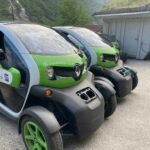
Introduction to Electric Cars
The automotive industry is currently experiencing a significant transformation with the rise of electric cars. These vehicles, powered by electrical energy instead of traditional fossil fuels, have garnered widespread attention and acceptance among consumers and manufacturers alike. This shift can be attributed to several factors, including growing environmental concerns, advancements in technology, and changing societal attitudes towards sustainable transportation.
Electric vehicles (EVs) are increasingly recognized for their potential to reduce carbon emissions and dependence on oil, thus contributing to a cleaner environment. The global push for sustainability has spurred many governments to implement policies that promote the use of EVs, incentivizing consumers to make the shift from conventional internal combustion engine vehicles. As a result, more individuals are considering electric cars as a viable alternative, placing significant importance on the ecological impact of their choices.
Technological advancements play a crucial role in the rising popularity of electric cars. Innovations in battery technology have significantly enhanced the performance, range, and charging capabilities of EVs. For instance, developments in lithium-ion batteries have not only improved energy storage efficiency but have also contributed to quicker charging times and greater driving ranges, alleviating some of the concerns associated with earlier electric models. Moreover, the growing availability of charging infrastructure makes owning an electric vehicle more practical than ever.
In addition to environmental benefits and technological innovations, societal shifts towards sustainability and the need for cleaner transportation solutions are reshaping consumer preferences. As awareness of climate change grows, many individuals seek to align their personal values with their purchasing decisions. Consequently, electric cars are increasingly perceived not just as an alternative but as a necessary step towards a sustainable automotive future.
The Basics of Electric Vehicles
Electric vehicles (EVs) are gaining traction as an alternative to traditional internal combustion engine (ICE) vehicles. The fundamental difference between these two types of vehicles lies in how they generate and use power. While ICE vehicles rely on gasoline or diesel, electric cars utilize electric power stored in batteries. This transition from fossil fuels to electric energy represents a significant shift toward sustainable transportation.
At the core of an electric vehicle is the electric motor, which converts electrical energy into mechanical energy, driving the wheels of the car. Unlike ICE vehicles, which have complex transmissions, electric motors deliver power directly to the wheels, resulting in greater efficiency and smoother acceleration. This characteristic allows for rapid torque delivery, enhancing performance and responsiveness.
The battery is another essential component of electric vehicles. Typically, lithium-ion batteries are used due to their high energy density and longevity. The size and capacity of the battery directly influence the range of the vehicle—how far it can travel on a single charge. Modern electric cars offer a range that can easily compete with ICE vehicles and, due to advancements in battery technology, are continually improving.
Charging systems play a crucial role in the operation of electric cars. These vehicles can be charged at home using a standard outlet or dedicated EV chargers, and they can also take advantage of public charging stations found in various locations. Charging times can vary based on the level of the charging station and the vehicle’s battery capacity, but the convenience of charging at home offers a significant advantage over conventional fueling methods.
In summary, electric vehicles differentiate themselves from traditional vehicles through their reliance on electric motors and batteries instead of fossil fuels. As technology continues to evolve, the components and infrastructure supporting electric cars are also improving, making them increasingly viable for everyday transportation.
How Electric Cars Work
Electric cars operate on a fundamentally different principle than conventional internal combustion engine vehicles. Central to their operation is the conversion of electrical energy stored in batteries into mechanical energy, allowing the car to move. The process begins when the driver engages the accelerator; this triggers the controller to draw electricity from the battery pack, which is typically made up of lithium-ion cells.
The next crucial component is the electric motor, which acts as the heart of the electric vehicle. Unlike traditional engines that require fuel combustion, an electric motor uses electromagnetic forces to produce motion. When electricity flows through the motor’s windings, it creates a magnetic field that interacts with permanent magnets installed within the motor, resulting in rotation. This rotation drives the wheels of the car, allowing it to accelerate smoothly and quietly.
Complementing the electric motor and battery is the battery management system (BMS). This sophisticated technology monitors the health of the battery, regulating charge and discharge cycles to prevent damage from overcharging or overheating. The BMS also ensures optimal performance, balancing the energy output and maximizing the lifespan of the battery.
Another significant feature of modern electric cars is regenerative braking. This system allows the vehicle to recover energy otherwise lost during braking. When the driver applies the brakes, the electric motor switches roles, functioning as a generator. It converts kinetic energy back into electrical energy, which is then redirected back into the battery. This process not only enhances the overall efficiency of the vehicle but also extends its range, making electric vehicles more sustainable and practical for everyday use.
Types of Electric Cars
Electric cars are gaining traction due to their environmental benefits and advancements in technology. This section delves into the different categories of electric vehicles (EVs) currently available in the market, highlighting their unique features and advantages.
The first type is the Battery Electric Vehicle (BEV), which operates solely on electric power. BEVs are equipped with large battery packs that can be charged from an external power source, such as charging stations or home outlets. They produce zero tailpipe emissions, making them a popular choice for eco-conscious consumers. Additionally, BEVs often offer impressive performance, with instant torque leading to quick acceleration. Notable examples include the Tesla Model 3 and the Nissan Leaf, both recognized for their efficiency and range.
Next, we have Plug-in Hybrid Electric Vehicles (PHEVs), which combine an internal combustion engine with an electric motor. PHEVs can operate on electric power alone for a certain distance, after which the gasoline engine takes over. This dual capability provides flexibility and convenience, allowing drivers to switch to gasoline when electric range is depleted. PHEVs generally offer better fuel economy compared to traditional gasoline vehicles and are particularly beneficial for those who may not have consistent access to charging facilities. Examples include the Toyota Prius Prime and the Ford Fusion Energi.
The third category is Fuel Cell Electric Vehicles (FCEVs), which generate electricity through a chemical reaction between hydrogen and oxygen in a fuel cell. Unlike BEVs, FCEVs produce water vapor as their only emissions. They offer quick refueling times comparable to gasoline vehicles and have a longer driving range than many BEVs. However, the infrastructure for hydrogen refueling is still developing. Prominent models in this category include the Toyota Mirai and Honda Clarity Fuel Cell.
In essence, understanding the different types of electric vehicles is crucial for consumers seeking to make informed choices. Each type has its own set of benefits and considerations, making it important for potential buyers to evaluate their needs and preferences carefully.
Charging Electric Cars
Charging electric cars is a crucial aspect of owning these vehicles, as it directly impacts their usability and range. There are several methods available for charging electric vehicles (EVs), which can be categorized into Level 1, Level 2, and DC fast charging options. Each method varies by the type of electric car charger used, charging speed, and suitability for different environments.
Level 1 charging utilizes a standard household electrical outlet (120 volts) for charging. This method is the most accessible for many EV owners, as it requires no special installation. However, it is also the slowest option, typically providing about 4-5 miles of range per hour of charging. While convenient for overnight charging at home, it may not be suitable for those who drive longer distances regularly.
Level 2 charging, on the other hand, uses a 240-volt outlet and can deliver approximately 25 miles of range per hour. This option requires the installation of a home charging station, which can vary in cost depending on installation complexity. Many public charging stations also provide Level 2 charging, making it easier for electric car drivers to charge while at work or shopping. The combination of home and public Level 2 charging significantly enhances the convenience of electric car ownership.
DC fast charging represents the most rapid option, able to recharge an electric car to 80% in approximately 30 minutes, depending on the vehicle. This method is typically found at dedicated charging stations along highways, catering to long-distance travel. However, it requires specific infrastructure and not all electric vehicles can utilize this fast charging technology.
Despite the advancements in charging technologies, challenges remain. Issues such as the availability of charging stations, charging times, and electrical grid demands can affect the overall infrastructure for electric vehicle charging. Nonetheless, as initiatives for widespread charging solutions grow, the adoption of electric cars will likely become more streamlined.
The Environmental Impact of Electric Vehicles
Electric vehicles (EVs) represent a significant shift in the automotive industry, particularly regarding their environmental impact compared to traditional gas-powered vehicles. One of the primary advantages of electric cars is their ability to reduce greenhouse gas (GHG) emissions. A conventional vehicle typically emits carbon dioxide and other pollutants, contributing to global warming and air quality deterioration. In contrast, electric vehicles produce zero tailpipe emissions, and their overall emissions can be substantially lower, especially when powered by renewable energy sources.
Moreover, the energy efficiency of electric vehicles is notably higher. While internal combustion engines convert only about 20% of the energy from gasoline into vehicle movement, electric cars utilize approximately 77% of the electrical energy from the grid to power the wheels. This efficiency not only conserves energy but also translates into reduced operating costs for consumers over time.
A comprehensive lifecycle analysis of electric vehicles reveals the importance of evaluating the environmental impact from production through to disposal. Manufacturing EVs, particularly the batteries, can result in higher emissions compared to conventional vehicles; however, studies indicate that the total lifecycle emissions for electric cars can still be significantly lower than those of gasoline vehicles when considering the potential for cleaner energy in the future. Additionally, recycling programs for EV batteries continue to improve, allowing for a reduction in waste and promoting sustainable disposal practices.
In summary, while electric vehicles are not without their environmental challenges, especially concerning battery production, they offer considerable benefits through reduced greenhouse gas emissions, enhanced energy efficiency, and an overall more sustainable lifecycle. Transitioning to electric vehicles is an essential step toward achieving a greener and more sustainable future for transportation.
The Future of Electric Cars
The future of electric cars appears promising, with several key advancements predicted to revolutionize the automotive industry. One of the most critical areas of innovation lies in battery technology. Recently, significant strides have been made in the development of higher-capacity batteries aimed at enhancing vehicle range and reducing charging times. Solid-state batteries, for instance, are emerging as a safer and more efficient alternative to traditional lithium-ion batteries, potentially offering longer lifespans and improved efficiency.
In addition to battery advancements, autonomous driving technology is set to play a substantial role in the future of electric vehicles (EVs). The integration of sophisticated algorithms and artificial intelligence in EVs enhances safety, reduces human error, and offers seamless navigation. As this technology develops, we can expect an increase in shared ride services and the overall accessibility of EVs. This shift may redefine car ownership and contribute to reduced traffic congestion and lower emissions in urban areas.
Government policies also play a crucial role in shaping the future of electric cars. Many governments globally are implementing incentives for consumers to switch to electric vehicles, such as tax credits, rebates, and investments in charging infrastructure. Furthermore, stricter emissions regulations are pushing manufacturers to prioritize the development of electric models in their lineups. These supportive measures indicate a growing commitment towards sustainable transportation solutions.
Conclusively, the interplay of advancements in battery technology, autonomous driving capabilities, and supportive government policies will significantly influence the evolution of electric cars. As these trends continue to unfold, the widespread adoption of electric vehicles will not only pave the way for a greener future but also redefine the landscape of modern transportation.
Common Myths and Misconceptions About Electric Cars
In recent years, electric cars have gained significant popularity, yet a number of myths and misconceptions persist, influencing potential buyers’ perceptions and decisions. One prevalent myth is the issue of range anxiety, which refers to the fear that an electric vehicle (EV) will run out of battery before reaching a destination. However, advancements in battery technology have substantially increased the driving range of many electric cars. For instance, several models on the market now offer ranges exceeding 300 miles on a single charge, alleviating this concern for everyday users.
Another common misconception involves the time required to charge electric vehicles. Many individuals believe that charging an EV takes an inordinate amount of time. While it is true that charging can take longer than refueling a traditional gas-powered car, it is essential to recognize that most daily driving needs can be met by charging overnight at home. Additionally, the growing availability of fast charging stations allows drivers to recharge their vehicles significantly faster during road trips or when necessary.
Performance issues are another area ripe for misunderstanding. Some skeptics argue that electric cars lack the power or acceleration provided by their gasoline counterparts. In reality, most electric vehicles are equipped with robust electric motors that provide instant torque, resulting in impressive acceleration rates. For example, numerous electric models have outperformed traditional vehicles in acceleration tests, showcasing their capability and performance potential.
Lastly, misconceptions about the environmental impact of electric cars should be addressed. While critics often cite the carbon footprint associated with battery production, it is crucial to consider the overall lifecycle emissions. When used, electric vehicles produce zero tailpipe emissions, making them a cleaner alternative compared to conventional vehicles. The ongoing shift toward renewable energy sources further enhances the environmental benefits of electric vehicles.
Conclusion and Final Thoughts
In conclusion, electric cars represent a significant shift in modern transportation, demonstrating a viable alternative to traditional internal combustion engine vehicles. Throughout this article, we have explored the fundamental aspects of electric vehicles, including their design, the mechanics of how they operate, and their environmental advantages. The transition to electric cars is not merely a trend; it embodies a crucial step towards sustainable living and addressing climate change.
The advantages of electric vehicles are clear. They offer reduced carbon emissions, lower operating costs, and a quieter driving experience compared to conventional vehicles. With advancements in battery technology and an expansion of charging infrastructure, electric cars have become increasingly practical for everyday use. Furthermore, many governments are providing incentives to promote the adoption of electric vehicles, thus accelerating this transition.
As consumers become more informed about the benefits of electric cars, the demand for them continues to grow. It is essential for prospective buyers to consider their driving habits, the total cost of ownership, and the available charging options in their areas. By making the switch to electric, individuals not only contribute to the reduction of greenhouse gas emissions but also support the development of cleaner and more sustainable energy solutions.
In summary, embracing electric vehicles is more than just a personal choice; it reflects a broader commitment to protecting our environment and enhancing the quality of life for future generations. With ongoing innovations and a collective effort to make electric cars a staple in our transportation systems, the future of mobility looks bright. We encourage readers to explore the diverse options available in the electric vehicle market and consider joining the movement toward greener travel.