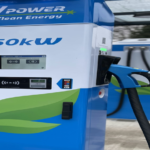
Introduction to Electric Car Batteries
Electric car batteries serve a pivotal role in powering electric vehicles (EVs), directly influencing their performance, range, and overall efficiency. Typically created from lithium-ion technology, these batteries store electrical energy that can be utilized to propel the vehicle. Understanding how electric car batteries function is essential not only for optimizing their use but also for appreciating the technology behind modern electric vehicles.
At its core, an electric car battery consists of multiple cells that generate electricity through chemical reactions. When the vehicle is in operation, electrical energy flows from the battery to the electric motor, converting this energy into mechanical power. Additionally, regenerative braking allows for some energy to be recovered during deceleration, cycling it back into the battery and extending driving range.
The lifespan of electric car batteries is a crucial aspect for any EV owner. Factors that significantly influence battery longevity include temperature, charging habits, and overall maintenance. High temperatures can accelerate degradation while frequent quick charging may affect battery health over time. Moreover, how often a vehicle is charged fully or kept at low levels directly impacts wear and tear on the battery.
Common concerns regarding battery longevity often stem from the fear of significant performance loss over time. Battery degradation can lead to reduced driving ranges and longer charging intervals, which may deter potential buyers from making the switch to electric vehicles. Fortunately, many manufacturers now provide warranties that cover battery performance for a significant duration, helping to alleviate consumer anxiety surrounding battery longevity.
Types of Electric Car Batteries
Electric cars rely on various types of batteries, each with its own characteristics, advantages, and disadvantages. The most commonly used batteries in electric vehicles (EVs) include lithium-ion, nickel-metal hydride (NiMH), and solid-state batteries. Understanding these battery types is crucial as they significantly impact the performance and longevity of electric vehicles.
Lithium-ion batteries are the dominant choice in the electric car market. They offer a high energy density, which means they can store more energy in a smaller and lighter package compared to other types. Additionally, lithium-ion batteries have a relatively low self-discharge rate and can endure numerous charge cycles, making them efficient and long-lasting. However, they come with drawbacks, including sensitivity to extreme temperatures and the high cost of manufacturing.
On the other hand, nickel-metal hydride batteries, previously popular in hybrid vehicles, provide a good balance of cost and performance. While they are less energy-dense than lithium-ion batteries, NiMH batteries are more robust against temperature variations and typically have a longer lifespan. Nevertheless, they are heavier and have a lower specific energy, leading to limitations on the range that electric vehicles can achieve.
Emerging technologies are introducing solid-state batteries, which promise significant improvements over both lithium-ion and NiMH. These batteries utilize solid electrolytes instead of liquid, potentially enhancing safety and energy density. Solid-state batteries are expected to have a longer lifespan and faster charging times. However, they are still in the development stages and face several challenges, particularly regarding manufacturing scalability and cost-efficiency.
In conclusion, the type of battery used in electric vehicles plays a crucial role in determining their overall performance and longevity. As the market evolves, advancements in battery technology may lead to longer-lasting and more efficient electric car options, which will ultimately contribute to the broader adoption of electric mobility.
Factors Affecting Battery Life
The longevity of electric car batteries is influenced by a variety of key factors, each playing a significant role in determining the overall life span and efficiency of the battery. Understanding these elements can empower users to make informed choices that enhance battery health.
One critical factor is temperature. Electric car batteries operate optimally within a moderate range; extreme heat or cold can significantly impact their performance. High temperatures can lead to faster degradation of battery cells, while cold conditions can reduce the efficiency and capacity temporarily. To mitigate these effects, parking in shaded areas during hot weather and utilizing garage space during winter can be beneficial.
Charging habits also have a substantial effect on battery life. Frequent use of fast charging can accelerate the wear on battery cells. It is advantageous to rely on regular charging when possible, keeping the battery between 20% and 80% capacity for routine use. This practice helps maintain a healthier battery cycle by avoiding deep discharges and excessive charging.
Driving style is another significant determinant. Aggressive acceleration and frequent high-speed driving can drain the battery more quickly and lead to a higher rate of wear. Adopting a smoother and more gentle driving technique can not only conserve battery power but also extend its lifecycle by reducing stress on the battery system.
Furthermore, modern electric vehicles are equipped with advanced battery management systems (BMS) that monitor the health and performance of the battery. These systems help in optimizing charging and discharging processes. Regularly updating the vehicle’s software can ensure that users benefit from the latest improvements in battery management technology, thereby supporting better battery health.
Average Lifespan of Electric Car Batteries
The average lifespan of electric car batteries is a crucial aspect for potential buyers and current owners alike. Typically, electric vehicle (EV) batteries are engineered to last between 8 to 15 years, translating to approximately 100,000 to 200,000 miles driven under normal conditions. This range provides a framework for consumers to expect the reliability and longevity of their EV investment.
Manufacturers often provide warranties for their batteries, which can be a significant indicator of their expected lifespan. For instance, major automakers such as Tesla, Nissan, and Chevrolet offer warranties covering 8 years or around 100,000 miles for their electric vehicles. These assurances are reflective of the companies’ confidence in their battery technology and indicate the performance range consumers might anticipate over time.
Research conducted by the Idaho National Laboratory suggests that the overall degradation of electric car batteries tends to fall within a predictable pattern. On average, batteries lose about 2.3% of their capacity per year. Notably, this degradation rate can vary depending on several factors, including climate, charging habits, and overall vehicle usage. Drivers in more extreme temperatures, for example, may experience faster degradation compared to those in milder climates.
Studies from universities and industry experts also highlight that the first few years may showcase the most significant battery loss, with stabilization occurring thereafter. In practice, this means that many drivers may find their electric vehicle batteries retain a significant portion of their capacity well into the latter part of their lifespan.
Battery Degradation Over Time
Battery degradation is a natural phenomenon that occurs in all types of rechargeable batteries, including those used in electric vehicles (EVs). As electric car batteries age, their ability to hold and deliver energy decreases, resulting in reduced performance and range. This degradation is primarily due to chemical reactions within the battery, which can lead to the formation of unwanted compounds, breakdown of the electrodes, and other physical changes that affect the battery’s capacity.
In the context of electric car batteries, degradation is often measured in terms of capacity loss, which is expressed as a percentage of the battery’s original capacity. Over time, it is common for electric vehicle owners to experience a decrease in battery capacity ranging from 10% to 20% after several years of use. Factors such as climate, charging habits, and driving conditions can significantly influence the rate of degradation. For example, frequent fast charging can accelerate battery wear, while consistently charging at lower power levels may help preserve the battery’s longevity.
The impact of battery degradation on an electric vehicle’s range is quite significant. As the battery’s capacity decreases, the maximum distance an electric car can travel on a single charge is also reduced. It is important for prospective and current EV owners to understand that while some degree of battery degradation is inevitable, most manufacturers design their batteries to last for many years, typically around 8 to 15 years, before the loss of capacity becomes problematic.
Moreover, many automakers offer warranties that guarantee a certain level of battery performance over a designated period, which can provide assurance to consumers regarding the reliability and longevity of electric car batteries.
When considering the purchase of an electric vehicle (EV), one of the foremost concerns for potential buyers is the longevity and reliability of the electric car battery. To address these concerns, manufacturers typically offer warranties specifically for their batteries. These warranties play a crucial role in providing reassurance to consumers by ensuring that they are protected against potential defects and excessive degradation over time.
Most electric car batteries come with warranties that often extend from eight to ten years or cover a mileage cap of 100,000 miles, depending on the manufacturer. This warranty coverage generally includes provisions for battery replacement in cases of failure or significant capacity loss. For example, if a battery depletes to below a certain capacity level, such as 70% or 80%, the manufacturer may offer to replace it, thereby safeguarding the owner’s investment in the vehicle.
It is essential for EV owners to carefully review the terms and conditions of their battery warranty. Although warranties provide a layer of protection, they may have specific conditions that must be met for coverage to be valid. These can include regular maintenance requirements, adherence to recommended charging practices, and limitations on modifications to the battery or vehicle. Additionally, advancements in battery technology could lead manufacturers to update warranty terms or conditions, reflecting their commitment to improved performance and reliability.
Beyond battery warranties, it can also be beneficial for EV owners to explore insurance options that cover battery replacement. While standard automotive policies may not explicitly cover battery failure, supplemental policies specifically designed for electric vehicles often include battery insurance, providing further peace of mind. As electric car technology continues to evolve, understanding the nuances of warranty and insurance coverage will help consumers make informed decisions and enhance their overall ownership experience.
Best Practices for Maintaining Battery Life
Electric car owners can significantly extend the lifespan of their vehicle’s batteries by adhering to best practices that focus on optimal charging techniques, temperature control, and periodic maintenance checks. A fundamental aspect of maintaining battery health begins with understanding how to charge it properly. It is advisable to use a Level 2 charger for daily charging needs, as this allows for a faster charge without straining the battery as heavily as using rapid chargers does. Additionally, avoiding frequent use of fast charging stations can help prevent excessive heat generation, which can degrade battery chemistry over time.
Temperature control is another critical factor to consider for electric vehicle (EV) battery maintenance. Batteries perform best within a moderate temperature range, typically between 20°C and 25°C (68°F to 77°F). For this reason, parking in shaded areas during the summer and using a garage in cooler months can protect the battery from extreme temperatures. Furthermore, it is prudent to keep the battery charged between 20% and 80% to minimize stress and prolong its lifespan. Allowing a battery to deplete to low levels regularly can lead to diminished capacity and performance over time.
Periodic maintenance checks are essential for ensuring that the battery remains in optimal condition. Regularly scheduled inspections by qualified technicians can help identify and resolve potential issues before they escalate. Keeping the battery connections clean and ensuring that the cooling system is functioning properly can also aid in maintaining battery performance. Additionally, software updates from manufacturers can help optimize battery management systems, contributing to overall health.
In conclusion, by implementing these best practices for electric car battery maintenance—focusing on smart charging, temperature control, and routine checks—drivers can enjoy a longer-lasting and reliable electric vehicle experience.
Future Developments in Battery Technology
The advancement of battery technology remains a pivotal element in the evolution of electric vehicles (EVs). Recent innovations in this field promise not only to extend battery life but also to elevate overall performance metrics of electric cars. A prominent focus of research today is on solid-state batteries, which provide a safer and more efficient alternative to the traditional lithium-ion batteries. These solid-state models utilize solid electrolytes rather than liquid ones, reducing fire risk and enhancing energy density. Consequently, solid-state batteries could potentially offer longer driving ranges with quicker charging times, which is vital for mass adoption of electric vehicles.
In addition to solid-state technology, enhancements in charging capabilities have also gained traction. Fast charging technology has significantly improved, allowing vehicles to recharge their batteries at a fraction of the time previously required. Newer charging systems can deliver higher power output by utilizing advanced thermal management, ensuring that batteries remain within optimal operational temperatures during charging. As a result, drivers are less likely to experience long waiting times, reducing range anxiety and making electric vehicles more appealing to a broader audience.
Another critical area of focus is battery recycling technology. The industry is increasingly recognizing the environmental implications of battery disposal. Recent developments in recycling processes are aimed at recovering valuable materials from used batteries, thus minimizing waste and promoting sustainability. Improved methods enable the reuse of components such as lithium, cobalt, and nickel, which can, in turn, be reintegrated into new battery production cycles. This circular economy approach not only eases the depletion of natural resources but also lowers the carbon footprint associated with manufacturing new batteries.
Conclusion: The Future of Electric Vehicle Batteries
Understanding the lifespan of electric car batteries is critical for potential electric vehicle (EV) buyers. Typically, these batteries are designed to endure around 8 to 15 years, depending on several factors including the make and model of the vehicle, driving patterns, and environmental conditions. As advances in battery technology continue to unfold, we can anticipate significant improvements in both the longevity and performance of these essential components.
As it stands, many manufacturers are working diligently to enhance battery efficiency and longevity, employing advanced lithium-ion technology and exploring solid-state batteries. The rise of innovative recycling processes also holds promise, potentially mitigating some of the ecological concerns associated with battery lifespan. A robust understanding of these aspects can aid consumers in making informed decisions about investing in electric vehicles.
The future landscape of electric vehicle batteries appears promising. As these batteries are expected to evolve, offering longer lifespans and faster charging times, consumer confidence in electric vehicles may increase substantially. Moreover, the anticipated decrease in costs associated with battery production will likely make electric cars more accessible to a broader audience. This shift will undoubtedly foster a more sustainable transportation ecosystem, with electric vehicles playing a key role in reducing carbon emissions.
In summary, potential buyers should weigh the current lifespan and future developments of electric car batteries when considering their investment. The trajectory of battery technology not only influences individual purchasing decisions but also signifies a transformative phase in the auto industry. With continued advancements, electric vehicles are poised to become an even more attractive option for environmentally conscious drivers.