Introduction to Modified Cars
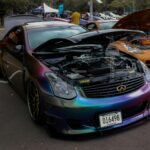
Modified cars represent a distinct niche within the automotive community, showcasing the creativity and passion of car enthusiasts. Car modification entails alterations made to the vehicle’s appearance, performance, or functionality, often tailored to the owner’s preferences or driving needs. These modifications can range from aesthetic enhancements, such as new paint jobs and body kits, to performance upgrades, including engine tuning and suspension adjustments.
The culture surrounding car customization is deeply ingrained in automotive history, with roots tracing back to the early days of car racing and hot-rodding. Over the decades, car enthusiasts have developed unique subcultures that celebrate the art of modification. Car shows, online forums, and organized meets provide platforms for individuals to showcase their modified cars and share knowledge about the intricacies of customization.
One of the primary reasons why many car owners choose to embark on modifying their vehicles is for the desire for individual expression. With each modification, the owner transforms a standard vehicle into a unique masterpiece that reflects their personality and style. Beyond aesthetic appeal, modifications can improve vehicle performance, enhance safety features, and boost overall driving enjoyment. Furthermore, for some, these modifications serve as a means of achieving their dream car—creating a personalized vehicle that is not readily available in the market.
As we delve deeper into the world of modified cars, we will encounter numerous iconic examples that highlight the diversity of this custom scene. Each car tells a story of innovation, skill, and the personal journey of its owner, contributing to the vibrant tapestry of automotive culture worldwide.
Iconic Modified Cars and Their Stories
The world of automotive customization is rich with stories of iconic modified cars that have left an indelible mark on car culture. Among these, the Nissan Skyline GT-R stands out. Originally launched in the late 1980s, the R32 GT-R was equipped with a twin-turbo inline-six engine and an advanced all-wheel-drive system. Its modifications led to a reputation for exceptional performance, particularly in motorsport arenas, and earned it the nickname ‘Godzilla’ in Australia. Enthusiasts and tuners have since pushed the Skyline’s limits, solidifying its status as a legend in modified car history.
Another classic example is the Volkswagen Beetle, which has undergone countless transformations since its production began in the 1930s. The car’s simple design and air-cooled engine became a canvas for creativity, resulting in countless personalized builds; from the radical Baja Bugs designed for off-roading to beautifully restored vintage models. The Beetle’s ability to adapt to various styles while maintaining its iconic shape makes it a beloved subject in the modified car community.
The Subaru WRX, known for its rally heritage, is also a prime example of modification culture. Originally the Subaru Impreza, the WRX emerged in the late 1990s with enhanced turbocharged performance, a unique aerodynamic design, and a reputation for agility on both streets and rally stages. Car enthusiasts have embraced the WRX for its potential for upgrades, which range from performance enhancements to visual modifications, solidifying its status as a favorite within the tuner scene.
These vehicles not only showcase the passion and creativity of their owners but also reflect a deeper cultural significance, where the art of modification symbolizes individuality, performance, and a shared community among car enthusiasts worldwide.
The Impact of Modified Cars on Motorsport and Culture
Modified cars have had a profound influence on both motorsport and car culture globally. The world of racing has witnessed the emergence of various categories that specifically showcase the capabilities of modified vehicles, such as drifting, street racing, and various forms of rally competitions. Each of these racing forms highlights the unique performance enhancements and aesthetic modifications that enthusiasts implement, thus establishing a solid connection between automotive customization and competitive racing.
Events like the Formula Drift series in the United States and the initial D1 Grand Prix in Japan serve as prominent platforms where modified cars take center stage, allowing drivers to test their skills and showcase their vehicles’ prowess. These events have not only captivated motorsport fans but have also given rise to dedicated communities of tuners and enthusiasts who gather to celebrate their shared passion for modified automotive culture.
The rise of car meets and tuning shops globally illustrates the pervasive influence of modified cars in local car scenes. These gatherings offer a space for owners to display their vehicles, share tuning techniques, and exchange ideas about customization. Online communities on forums and social media platforms have further enhanced this connection, allowing enthusiasts from around the world to interact and learn from each other, regardless of geographical barriers. Additionally, numerous documentaries, films, and video games prominently feature modified cars, further embedding them in popular culture. Films like “The Fast and the Furious” series have glorified modified vehicles and street racing, enhancing their appeal and inspiring a new generation of car enthusiasts.
The representation of modified cars in media has fueled interest in automotive customization, contributing to its growth as a lifestyle and a cultural phenomenon. From exhilarating racing scenes to in-depth tutorials on car modification techniques, the intertwining of modified cars with modern media continues to shape public perception and participation in this vibrant subculture.
The Future of Car Modifications
As we look toward the future of modified cars, it is essential to recognize the influential trends that are shaping this dynamic industry. The integration of technology is at the forefront, with electric and hybrid modifications becoming increasingly prevalent. These advancements allow car enthusiasts not only to enhance performance but also to embrace sustainability. As society becomes more environmentally conscious, the demand for eco-friendly car tuning solutions is likely to expand, motivating both manufacturers and aftermarket companies to innovate in this realm.
The rise of electric vehicles (EVs) presents unique opportunities for car modification. Enthusiasts are discovering creative ways to enhance the performance and aesthetics of these modern powertrains, ensuring that customization remains a vibrant aspect of automotive culture. This shift does not only imply a transition in engine modifications but also extends to body kits, suspension upgrades, and advanced connectivity features. Therefore, enthusiasts are encouraged to explore how to adapt traditional modification techniques to fit the intricacies of EV platforms.
Furthermore, an increasing acceptance of car customization within mainstream markets is paving the way for a new generation of modified vehicles. This acceptance signifies a turning point where personalization is no longer relegated to a niche hobby but is embraced by manufacturers themselves, offering a wider range of options directly from the factory. This normalization encourages aspiring modifiers to experiment with designs and styles, reflecting individual tastes while fostering a robust community of car lovers.
As car enthusiasts move forward, they must also consider the balance between innovation and environmental responsibility. By focusing on sustainable practices within the modification sphere, enthusiasts can champion a culture that appreciates personal expression while remaining mindful of the ecological impact. Future modifications may increasingly focus on lightweight materials, renewable energy utilization, and efficiency without compromising on performance. As the automotive landscape continues to evolve, the fusion of technology and customization promises an exciting horizon for modified cars.