Introduction to Electric Car Batteries
Electric car batteries are a fundamental component of electric vehicles (EVs), providing the necessary power to propel the vehicle and operate various electric systems. Unlike traditional gasoline-powered automobiles, which rely on internal combustion engines, electric vehicles depend entirely on their battery systems, making the understanding of these batteries crucial for potential EV owners and enthusiasts.
There are primarily two types of electric car batteries currently used in the market: lithium-ion and lead-acid batteries. Lithium-ion batteries are the most prevalent choice in modern electric vehicles due to their high energy density, longer life expectancy, and lighter weight compared to their lead-acid counterparts. Conversely, lead-acid batteries are typically seen in lower-cost models and have a more limited lifespan as well as energy capacity.
The importance of electric car batteries cannot be overstated, as they directly affect the performance, range, and overall efficiency of the vehicle. A well-designed battery system ensures smooth acceleration, adequate driving range on a single charge, and longevity, which ultimately influences the total cost of ownership for an electric car. The performance of electric car batteries is typically measured through factors such as ampere-hours (Ah) and kilowatt-hours (kWh), which indicate how much energy the battery can store and how long it can supply power to the vehicle.
Battery life expectancy is also a critical aspect to consider when discussing electric car batteries. Most manufacturers provide warranties that typically cover battery life for a certain number of years or miles driven, reflecting the manufacturers’ confidence in their battery systems. Understanding the estimated lifespan of an electric car battery, along with factors affecting its longevity, is essential for consumers contemplating the transition to electric vehicles. As technology continues to advance, the efficiency and durability of electric car batteries are expected to improve, further encouraging the adoption of electric mobility.
Factors Influencing Battery Life
Electric car batteries, specifically lithium-ion batteries, have various factors that can significantly influence their longevity. Understanding these factors can help users manage battery health effectively and optimize vehicle performance.
One of the primary influences on battery life is usage patterns. Frequent rapid charging and discharging can accelerate battery wear. For instance, consistently using fast chargers may increase the thermal stress on the battery, thereby shortening its lifespan. Additionally, the depth of discharge plays a role; regularly depleting the battery to very low levels can lead to higher degradation rates compared to maintaining a more moderate state of charge.
Driving conditions also significantly impact battery performance. Cold weather can reduce the effective range of an electric vehicle since batteries operate less efficiently at lower temperatures. Conversely, very high temperatures can lead to overheating and rapid degradation. Therefore, the geographic location and climate in which the vehicle is primarily used are critical considerations, as they directly affect battery performance and, consequently, its lifespan.
Moreover, the chemistry of the battery itself can also dictate its durability. Different manufacturers may employ various types of lithium-ion chemistries, affecting how the battery performs under stressors such as temperature fluctuations or charging rates. Batteries with higher energy density may provide better performance but at the expense of longevity compared to those engineered for a longer lifespan.
Finally, environmental factors, including humidity and exposure to elements, can impact battery life. For example, exposure to water or extreme humidity might compromise battery integrity. Thus, maintaining the battery and protecting it from adverse conditions is essential for maximizing its operational life.
Typical Lifespan of Electric Car Batteries
The lifespan of electric car batteries is a pivotal aspect for consumers considering the switch from traditional vehicles to electric ones. Generally, the average lifespan of electric car batteries ranges from 8 to 15 years, depending on a multitude of factors. According to industry statistics, most lithium-ion battery packs, which are the standard for electric vehicles (EVs), are designed to retain about 70-80% of their original capacity after approximately 100,000 to 200,000 miles of driving.
Battery longevity can significantly fluctuate based on driving habits, climate conditions, and how frequently the battery is charged. For instance, consistently charging the battery to full capacity or allowing it to deplete frequently can impact its longevity negatively. Additionally, extreme temperatures can affect battery performance; high heat can accelerate degradation while freezing conditions can hinder ability to charge fully.
The real-world applicability of these figures varies. Users of electric cars report longer battery lives at times, with many experiencing upwards of 200,000 miles before needing significant battery maintenance or replacement. Various testimonials highlight that battery technology continually improves, reducing concerns around lifespan in newer models compared to older versions. Consequently, prospective buyers should be aware of these dynamics when evaluating electric vehicle options, ensuring they are informed regarding both warranty conditions and average usage expectations.
Battery Degradation Over Time
The longevity of electric car batteries is a topic of considerable interest among consumers, manufacturers, and researchers alike. Electric vehicle (EV) batteries, typically lithium-ion types, undergo a natural process of degradation over time that affects their performance and efficiency.
Battery degradation in electric cars predominantly manifests as a decline in capacity, which can be attributed to various factors including charge cycles, temperature fluctuations, and the chemistry of the battery itself. Generally, it is expected that an electric car battery can lose about 20% of its capacity over the first 8-15 years of its lifespan. However, this rate can vary; some studies indicate that under optimal conditions, EV batteries might retain around 70%-80% of their capacity even after extensive use.
This gradual capacity loss can significantly impact the vehicle’s range, which is the distance an electric vehicle can cover on a single charge. As the battery capacity diminishes, drivers may find themselves needing to recharge more frequently, which could lead to inconvenience for users reliant on longer travel distances. Moreover, battery performance is particularly vulnerable to high temperatures which can accelerate the degradation process. Consequently, EV manufacturers often provide warranty coverage that assures consumers their batteries will maintain a specific level of performance over a designated period, commonly eight years or 100,000 miles.
Additionally, advancements in battery technology aim to mitigate the effects of degradation. Newer models employ various strategies to enhance lifespan and efficiency, such as improved thermal management systems and battery chemistry innovations. This ongoing research and development aims to foster greater consumer confidence and satisfaction in electric vehicles.
How to Extend Battery Life
Extending the life of an electric car battery is significantly beneficial for both the vehicle’s performance and the owner’s long-term costs. By adopting certain charging habits, maintaining optimal temperature conditions, and adhering to regular maintenance schedules, electric vehicle (EV) owners can maximize battery longevity.
One fundamental practice is to moderate charging sessions. While it is convenient to use fast-charging facilities, these can generate excess heat and may lead to faster battery deterioration. Where possible, utilizing standard charging stations for routine charging can result in less stress on the battery, ultimately prolonging its lifespan. Additionally, charging the battery between 20% and 80% capacity is recommended, as maintaining a full charge or allowing the battery to deplete completely can negatively impact its health.
Temperature management plays a crucial role in battery longevity. Electric car batteries generally perform best in moderate temperatures. When possible, parking the vehicle in shaded areas or garages can help shield it from extreme heat. Conversely, during colder temperatures, owners should consider preconditioning their vehicles while still connected to a charger. This warms the battery to an optimal operating temperature without depleting its stored energy.
Regular maintenance is essential for ensuring the electric vehicle remains in peak condition. Keeping the software up to date and following manufacturer-recommended maintenance schedules will aid in diagnosing potential issues before they escalate. Monitoring battery health through built-in diagnostic tools can also provide valuable insights into the state of the battery over time.
Incorporating these best practices into an electric vehicle ownership routine not only extends battery life but also enhances overall driving experience and efficiency. By making informed choices regarding charging habits, temperature control, and maintenance, EV owners can significantly reap the benefits of their investment.
The Role of Charging Infrastructure
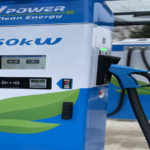
The longevity of electric car batteries is significantly influenced by the type and availability of charging infrastructure. A well-developed charging network not only enhances the convenience of using electric vehicles (EVs) but also plays a crucial role in optimizing battery life.
Charging infrastructure can be categorized into two main types: standard charging and fast charging. Standard charging, often conducted at home or at low-power stations, typically uses Level 1 or Level 2 chargers. These methods provide a slower charge, which is generally gentler on battery chemistry, thereby promoting battery health and extending its lifespan. This method allows for a gradual increase in battery state of charge (SoC), reducing stress that can lead to faster degradation of battery components.
On the other hand, fast charging, utilizing DC fast chargers, enables quicker replenishment of battery energy. While fast charging is advantageous for its time-saving benefits, it can contribute to increased thermal stress and higher charge rates. Frequent utilization of fast chargers can lead to elevated temperatures and an accelerated charge cycle, which might hasten battery wear. However, manufacturers are continuously improving battery technologies, incorporating thermal management systems that mitigate some of these adverse effects.
Furthermore, the availability of charging stations directly impacts charging habits. In regions with a robust infrastructure of charging points, drivers may rely more on home charging solutions and avoid fast charging, thus promoting better battery preservation. Conversely, in areas with limited access to charging facilities, drivers may resort to fast charging more frequently, potentially shortening battery life over time.
Ultimately, the interplay between charging infrastructure types and their frequency can substantively influence the overall performance and longevity of electric car batteries. Investing in varied charging options and expanding the infrastructure will not only support vehicle use but also advance battery sustainability in the long term.
Future Developments in Battery Technology
The pace of innovation in electric vehicle (EV) battery technology is accelerating, promising significant advancements in lifespan and performance. Central to these developments is the emergence of solid-state batteries, which offer numerous advantages over traditional lithium-ion batteries. Unlike their predecessors, solid-state batteries utilize solid electrolytes instead of liquid ones, making them less prone to leakage and enhancing safety.
One of the primary benefits of solid-state batteries is their potential to extend the lifespan of electric car batteries. With higher energy density, these batteries can store more energy in a smaller volume, which not only facilitates longer driving ranges but also reduces the frequency of charging. Enhanced durability is another aspect being addressed through advanced manufacturing techniques. For instance, innovations in material science are leading to the use of more resilient components, which can withstand the stress and strain of regular use over time.
Furthermore, ongoing research is focused on improving the charging speeds associated with new battery technologies. Solid-state batteries have been shown to support faster charging times, which can alleviate one of the significant inconveniences for electric car users. Moreover, the improved thermal stability characteristic of these batteries minimizes the risk of overheating, thereby enhancing vehicle safety during operation.
While solid-state batteries remain in the early stages of commercial deployment, their development heralds an optimistic future for electric vehicle technology. With potential increases in both lifespan and performance, these innovations could reshape consumer perceptions of electric cars, making them a more attractive option for a wider audience. As these technologies mature, electric vehicle manufacturers are likely to adopt solid-state solutions, leading to improved overall user satisfaction and greater adoption of sustainable transport solutions.
Cost and Replacement Considerations
The longevity and performance of electric car batteries are pivotal factors in the ownership experience of an electric vehicle (EV). As technology continues to advance, the lifespan of these batteries has generally improved, leading many to expect a duration of 8 to 15 years or even more, depending on usage patterns and environmental conditions. However, it is crucial for potential owners and current users to consider the costs associated with battery replacement, which can be significant.
The primary factor influencing the cost of battery replacement is the specific make and model of the electric vehicle. On average, replacing an electric car battery can range from $5,000 to $15,000. High-performance models and those with larger battery capacities typically fall on the higher end of this spectrum. As the market evolves, prices may decrease due to advancements in battery technology and manufacturing processes; nevertheless, it is an expense that should be contemplated by any EV owner.
Another important consideration is the timing of the replacement. Battery degradation is a gradual process, where the range and charging capacity decrease over time. Users are advised to regularly monitor battery health indicators available through their vehicle’s software, as well as to stay informed about warranty programs that manufacturers offer. Many EV batteries come with warranties that can cover significant portions of the battery’s expected life, often up to 8 years or 100,000 miles, which can mitigate replacement costs during warranty periods.
Planning for eventual battery replacement is a proactive measure that can alleviate the financial burden when the time comes. Potential owners should factor in this cost when budgeting for an electric vehicle, as well as the ongoing advancements that could impact the future replacement market. Understanding these aspects not only facilitates informed decision-making but also promotes a long-term, sustainable approach to electric vehicle ownership.
Conclusion and Final Thoughts
Understanding the longevity of electric car batteries is crucial for potential buyers as it directly impacts the overall ownership experience. The lifespan of these batteries generally ranges from 8 to 15 years, depending on various factors such as the battery type, climate, driving habits, and maintenance practices. By being informed about these elements, consumers can make better decisions when selecting an electric vehicle that suits their needs.
As electric vehicles (EVs) become increasingly popular, it’s essential to consider not only the initial purchase price but also the long-term performance and sustainability of the battery technology. Manufacturers are continually improving the durability and efficiency of electric car batteries, which means newer models may offer enhanced longevity compared to older ones. This technological advancement in battery engineering plays a significant role in enabling users to enjoy a maintenance-free experience for a longer duration.
Furthermore, it’s important to note that electric car batteries can often retain a significant amount of their initial capacity over time, even after years of usage. Some models may only lose a small percentage of their total capacity, ensuring that drivers can still enjoy substantial driving ranges throughout the lifespan of the battery. When considering your options, pay attention to battery warranties offered by manufacturers, as these can provide critical insights into expected performance and longevity.
In summary, potential electric vehicle owners should take the time to thoroughly investigate and understand how different batteries function, their expected lifespans, and the implications of battery degradation over time. By keeping these factors in mind, consumers can choose an electric vehicle that not only fulfills their immediate requirements but also assures reliable performance for years to come.