Introduction to Hybrid and Electric Cars
In recent years, the automotive industry has witnessed a significant shift towards more environmentally friendly alternatives to traditional gasoline-powered vehicles. Among these alternatives, hybrid cars and electric cars have emerged as two prominent choices, each offering unique advantages and characteristics. Understanding the fundamental differences between these vehicle types is essential for consumers looking to make informed decisions.
Hybrid cars combine an internal combustion engine with an electric motor, allowing for greater fuel efficiency and reduced emissions compared to conventional vehicles. Their dual power sources enable hybrid cars to switch seamlessly between the two, optimizing energy use based on driving conditions. This operation allows them to offer the flexibility of using gasoline or electric power, leading to a substantial decrease in fuel consumption.
On the other hand, electric cars operate solely on electricity, powered by a rechargeable battery. This makes them entirely emissions-free during operation, positioning electric vehicles as a highly attractive option for environmentally-conscious consumers. Recent advancements in battery technology have led to increased driving ranges and shorter charging times, enhancing the practicality of electric cars in everyday use.
The popularity of both hybrid and electric vehicles has surged as more individuals and organizations recognize the importance of sustainability in transportation. Factors contributing to this growing interest include rising fuel costs, government incentives for clean energy, and an increasing awareness of climate change and its impacts. As a result, manufacturers across the globe are expanding their offerings in these categories, striving to meet the evolving demands of eco-aware consumers.
In summary, both hybrid and electric cars represent significant progress within the automotive industry, addressing the critical need for sustainable transportation solutions. Each vehicle type presents distinct features and benefits, making it important for potential buyers to understand their individual needs when considering a transition to greener alternatives.
How Hybrid Cars Work
Hybrid cars are innovative vehicles that blend an internal combustion engine with an electric motor to enhance efficiency and performance. This combination allows for a more fuel-efficient driving experience while reducing emissions compared to traditional gasoline-powered vehicles. The mechanics of hybrid cars rely on various technologies, categorized primarily into three types: full hybrids, plug-in hybrids, and mild hybrids.
Full hybrids utilize both the internal combustion engine and the electric motor to propel the vehicle. This system operates seamlessly, with the vehicle switching between the two power sources based on driving conditions. For instance, at lower speeds, the electric motor may drive the vehicle solely, whereas the internal combustion engine kicks in during higher speeds or when more power is needed. This dual system optimizes fuel efficiency and reduces greenhouse gas emissions.
Plug-in hybrids offer an extended electric driving range compared to full hybrids. They come equipped with a larger battery that can be charged from an external power source, enabling the vehicle to run on electricity alone for a certain distance before the gasoline engine becomes active. This type of hybrid car provides the flexibility of electric driving for daily commutes while retaining the backup of a gasoline engine for longer trips.
Mild hybrids, on the other hand, typically feature a smaller electric motor that assists the combustion engine rather than allowing the vehicle to run solely on electric power. Mild hybrid systems improve fuel efficiency and provide additional power during acceleration. Furthermore, all hybrid types leverage regenerative braking technology, which captures energy previously lost during braking and channels it back into the battery, enhancing efficiency and contributing to overall energy conservation in the vehicle.
Understanding Electric Cars
Electric cars are vehicles that operate solely on electric power, harnessed from rechargeable batteries. Unlike traditional internal combustion engines, electric vehicles (EVs) utilize electric motors, which convert electrical energy directly into motion. This transition to electric power has garnered significant attention due to its potential to reduce greenhouse gas emissions, enhance fuel efficiency, and minimize reliance on fossil fuels. With advancements in battery technology, contemporary electric cars can travel substantial distances, removing range anxiety for most users.
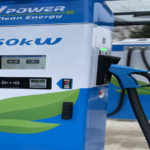
The charging infrastructure for electric cars is increasingly expanding. EV owners can charge their vehicles at home using standard power outlets or dedicated charging stations installed at residences. Public charging stations are also becoming common in urban areas, providing fast-charging options that can significantly reduce downtime during long travels. This infrastructure allows for convenient charging during day-to-day commutes or regular errands, facilitating a seamless integration of electric vehicles into drivers’ lifestyles.
One of the primary components of electric cars is their battery technology, typically lithium-ion batteries. These batteries offer high energy density, which enables vehicles to achieve higher ranges per charge compared to earlier generations. However, battery efficiency can diminish over time, impacting range and performance. The range of electric vehicles varies significantly, with many modern options offering between 150 to 370 miles, depending on the model. While this is often sufficient for most drivers, some may still find it limiting compared to hybrid models that combine electric motors with gasoline engines for enhanced range.
Notable advantages of electric vehicles include lower operating costs, fewer moving parts leading to reduced maintenance, and quiet operation. However, challenges persist, such as the initial purchase price, which can be higher than conventional vehicles, and the geographic variability of charging infrastructure. Despite these drawbacks, the growing trend toward EV adoption reflects a shift that may increasingly shape the future of transportation.
Environmental Impact Comparison
The environmental impact of vehicles is a significant consideration in today’s automotive landscape, particularly with the rise of hybrid and electric cars. Both types of vehicles aim to reduce greenhouse gas emissions, yet they achieve this in different ways. Hybrid cars combine an internal combustion engine with an electric motor, allowing for greater fuel efficiency. While they still rely on gasoline, their ability to switch between power sources leads to lower emissions compared to conventional vehicles. On the other hand, electric cars operate entirely on electricity, which translates to zero tailpipe emissions during operation.
When assessing fuel efficiency, electric cars generally outperform hybrids. Electric vehicles (EVs) are often more energy-efficient and have lower operational costs, attributed to the efficiency of electric motors and the potential use of renewable energy for charging. However, the environmental impact of these vehicles must be evaluated from a holistic perspective. This includes the energy sources used for electricity generation, as regions relying on fossil fuels may negate some environmental benefits. Conversely, hybrids, while partially dependent on gasoline, use less fuel than traditional vehicles, which can contribute positively to emissions reduction.
Another critical aspect to consider is the overall carbon footprint associated with the manufacturing and recycling processes of hybrid and electric vehicles. The production of batteries for electric vehicles typically involves mining and processing metals such as lithium and cobalt, which can have substantial environmental consequences. Hybrid vehicles, while incorporating a battery, often have a lesser impact due to smaller battery sizes, but both face challenges in terms of disposal and recycling. Battery recycling initiatives are essential for mitigating the environmental harm of manufacturing and ensuring that valuable materials are reclaimed for future use. Analyzing the lifecycle of both types of vehicles helps understand their complete environmental footprint, influencing consumer choices toward sustainability.
Cost Analysis: Purchase and Maintenance
When evaluating the financial implications of hybrid and electric cars, it is essential to consider multiple factors, including purchase prices, government incentives, fuel savings, maintenance costs, and residual values. Typically, the initial purchase price of electric vehicles (EVs) tends to be higher than that of hybrid vehicles due to the cost of battery technology. However, this upfront cost can be mitigated through various federal and state incentives aimed at promoting green technology. In some regions, buyers of electric cars can receive significant tax credits that lower the effective purchase price significantly.
In terms of fuel efficiency, electric cars generally outshine hybrids, as they use electricity instead of gasoline. This leads to substantial savings on fuel costs over time, particularly considering that the price of electricity is generally lower than gasoline prices on a per-mile basis. Hybrid vehicles, while still offering better fuel economy compared to traditional vehicles, do not provide the same level of energy savings as electric options. Therefore, the long-term contributions of both types of vehicles to overall cost savings are clear, with electric cars offering a more substantial benefit.
Maintenance costs are another critical consideration in the total cost of ownership. Electric vehicles tend to have lower maintenance expenses because they have fewer moving parts, no oil changes, and less brake wear due to regenerative braking systems. Conversely, hybrid vehicles, while more efficient than conventional cars, still require routine maintenance related to both their internal combustion engines and electric components, which can accumulate over time.
Lastly, the resale value of these vehicles can vary significantly based on market conditions, battery performance, and technological advancements. Currently, electric vehicles often depreciate at a slower rate compared to hybrids due to increasing consumer demand for eco-friendly options. Consequently, understanding the financial implications of both hybrid and electric vehicles aids potential buyers in making informed decisions.
Performance: Driving Experience and Specifications
When examining the performance of hybrid cars and electric vehicles (EVs), several key factors come into play: acceleration, handling, driving range, comfort, and technological features. Both vehicle types offer distinct advantages and disadvantages that influence their driving experiences.
Electric vehicles are renowned for their impressive acceleration capabilities. The instant torque provided by electric motors allows EVs to reach higher speeds swiftly, often outperforming their hybrid counterparts in straight-line speed. This immediate power delivery results in a seamless driving experience, particularly in urban settings with frequent stop-and-go traffic.
In contrast, hybrids combine internal combustion engines with electric motors, which enables a different driving dynamic. While they may not match the raw acceleration of pure EVs, they offer a balance that many drivers appreciate. The ability to switch between electric and gasoline power aids hybrid vehicles in providing a smooth transition during acceleration, particularly at highway speeds.
When it comes to handling, electric vehicles typically maintain a lower center of gravity due to the weight of their battery packs, resulting in enhanced stability and cornering capabilities. However, hybrids often benefit from a more conventional driving feel that drivers of traditional vehicles may find comforting. This can lead to varied preferences among consumers, where some may favor the crisp handling of an EV over the familiar maneuverability of a hybrid.
Driving range is another pivotal aspect of performance. Hybrid cars generally provide a superior driving range due to their gasoline engines, allowing for longer trips without frequent stops for recharging. On the other hand, EVs are limited by their battery capacity, though advancements in technology are steadily improving this factor, with many modern electric cars now offering ranges comparable to hybrids.
Comfort levels in both vehicle types tend to be high, with manufacturers focusing on technology and amenities. Electric cars often feature advanced tech integrations due to less space needed for drivetrain components, whereas hybrids may include features that enhance fuel efficiency. Overall, the choice between hybrid and electric will largely depend on individual driving preferences, lifestyle, and environmental considerations.
Availability and Market Trends
The automotive market is currently witnessing a significant shift towards both hybrid and electric vehicles, reflecting an increasing consumer preference for sustainable transportation options. Hybrid cars, which combine traditional internal combustion engines with electric propulsion, remain widely available and are produced by a variety of reputable manufacturers. Popular models such as the Toyota Prius and Honda Accord Hybrid have established notable market shares, appealing to consumers seeking better fuel efficiency without complete reliance on electric charging infrastructure.
On the other hand, electric vehicles (EVs) are rapidly gaining traction, driven by advancements in battery technology and increasing environmental awareness. Brands like Tesla, Nissan, and Chevrolet offer compelling electric models, with Tesla’s Model 3 and Nissan Leaf being among the most recognized. The demand for EVs has surged, and analysts predict that by 2025, the market share of electric vehicles will rise significantly, potentially reaching over 25% of new car sales in key regions.
Market trends indicate a push towards full electrification, supported by government incentives, regulatory changes, and a growing charging infrastructure. Many manufacturers are committing to extensive electric lineups as part of their long-term strategies. For instance, major automotive brands have announced plans to transition towards offering predominantly electric models by 2030. As battery technologies improve and charging times decrease, vehicle performance becomes more competitive, propelling further consumer adoption.
In summary, both hybrid and electric vehicles currently occupy significant spaces in the automotive market, but the trend is unmistakably leaning towards full electrification. Market projections highlight robust growth for electric vehicles in the coming years, as society embraces a greener approach to transportation.
Consumer Preferences and Public Perception
Consumer attitudes towards hybrid and electric cars continue to evolve, influenced by a myriad of factors including environmental consciousness, economic considerations, and infrastructure availability. With heightened awareness of climate change and its implications, many consumers are driven by the perceived environmental benefits of shifting to more sustainable transport options. This change in mindset has catalyzed interest in both hybrid and electric vehicles, each presenting a unique set of advantages and challenges.
In the realm of electric cars, there is a growing recognition of their zero-emission characteristics, which align with the goal of reducing carbon footprints. However, potential buyers often express concerns regarding the availability of charging infrastructure, perceived limitations associated with battery range, and the long-term viability of electric vehicle technology. Such factors can significantly influence purchasing decisions, as consumers evaluate their daily commuting needs against the capabilities of electric vehicles.
On the other hand, hybrid cars offer a blend of traditional and modern technology, often easing consumer apprehensions about transitioning to fully electric models. Many individuals appreciate the flexibility of hybrid vehicles, which can operate using both gasoline and electric power, thus alleviating concerns about charging station availability and range anxiety. This dual capability tends to resonate well with consumers, particularly in regions where charging infrastructure is still developing.
Moreover, societal trends play a crucial role in shaping consumer preferences. As more individuals express a desire to contribute positively to environmental sustainability, the market for eco-friendly vehicles continues to grow. Additionally, government incentives for purchasing hybrid and electric cars further enhance their appeal. Ultimately, understanding consumer preferences and public perception is essential in navigating the ongoing evolution of the automotive industry, where hybrid and electric vehicles are increasingly becoming mainstream choices.
Conclusion: Choosing the Right Car for You
In the evolving landscape of automotive technology, the decision between a hybrid car and an electric vehicle (EV) can be pivotal for consumers. Each option presents distinct advantages and considerations that align differently with individual needs and lifestyles. Understanding these differences is essential for making an informed choice.
Hybrid cars, which combine traditional gasoline engines with electric propulsion, provide a practical solution for those who seek fuel efficiency while enjoying the convenience of longer range and faster refueling times. They can be particularly beneficial for individuals living in areas where charging infrastructure is limited, thus ensuring that drivers are not hindered by the range anxiety associated with all-electric vehicles. The adaptability of hybrids makes them a popular choice among consumers transitioning to greener alternatives.
On the other hand, electric cars are rapidly gaining popularity due to their potential for zero emissions and lower operating costs. For environmentally conscious individuals, EVs present an appealing option, particularly as battery technology continues to improve, enhancing range and reducing charging times. Additionally, as more countries implement incentives for electric vehicle adoption, the upfront costs of these cars become increasingly competitive.
Ultimately, the decision rests on various personal factors, including driving habits, geographic location, and personal values. Potential buyers should evaluate their daily commute, access to charging stations, and long-term goals regarding sustainability. By considering these elements, alongside the operational characteristics and benefits of each vehicle type, one can determine which model aligns best with their lifestyle. Making a choice between a hybrid and an electric car involves weighing practicality against environmental considerations, leading to a decision that reflects both personal and global priorities.