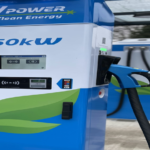
Introduction to Hybrid and Electric Cars
Driving toward a more sustainable future, the automotive industry has witnessed significant advancements in vehicle technology, leading to the increasing adoption of hybrid and electric cars. Hybrid cars represent a combination of traditional internal combustion engines and electric motors, facilitating a synergy that optimizes fuel efficiency while reducing emissions. These vehicles employ a dual-power system, enabling the engine to switch between gasoline and electric power, depending on driving conditions, thereby delivering an effective balance between performance and environmental responsibility.
On the other hand, electric cars are exclusively powered by electricity, relying on energy stored in rechargeable batteries. This absence of a traditional engine distinguishes electric vehicles (EVs) as a distinct category in the automotive world. The mechanics of electric cars involve not only advanced battery technology but also regenerative braking, which captures energy during deceleration, enhancing overall efficiency. As EVs contribute no tailpipe emissions, they have emerged as a prominent solution to combat urban air pollution and address global climate change issues.
The historical context of these vehicle types is crucial to understanding their rise in popularity. Hybrid technology gained traction in the late 1990s with models like the Toyota Prius, which offered consumers a glimpse of an eco-friendly alternative without compromising convenience. Meanwhile, electric cars have evolved significantly from their early days, where limited range and infrastructure were major drawbacks, to the present, where improvements in battery technology and charging stations have catalyzed a revolution in personal and commercial transportation. These advancements have not only shaped consumer choices but also reflect a growing awareness of environmental issues, prompting both consumers and manufacturers to rethink vehicle design and energy consumption.
Key Differences Between Hybrid and Electric Cars
When examining the fundamental differences between hybrid and electric cars, various aspects must be considered. First and foremost is the fuel consumption. Hybrid cars utilize both an internal combustion engine and an electric motor, which allows them to achieve improved fuel efficiency compared to traditional gasoline-powered vehicles. In contrast, electric cars operate solely on electricity derived from batteries, which completely eliminates the need for gasoline and significantly reduces fuel consumption.
Next, emissions play a crucial role in distinguishing these two types of vehicles. Hybrid cars do still produce emissions from their gasoline engines, though generally at lower levels than conventional vehicles. Electric cars, on the other hand, are often regarded as environmentally friendly alternatives since they emit no tailpipe pollutants during operation, although one must consider the emissions related to electricity generation.
Range is another significant difference that impacts consumer choices. A typical hybrid car can travel further on a single tank of gasoline supplemented by electric power, making it suitable for long-distance driving. Electric cars, while improving in range with advancements in battery technology, still face limitations in distance travelled before needing a recharge, often requiring careful planning for longer trips.
The charging methods also vary remarkably between the two categories. Hybrid cars can be refueled at conventional gas stations, which is often more convenient for users. Conversely, electric cars require access to charging stations, which are becoming more widespread but can still present challenges in terms of availability and charging times.
Finally, maintenance requirements differ due to the distinct mechanisms inherent in both vehicle types. Hybrids typically require more routine maintenance due to the combination of components from both internal combustion and electric systems. Electric cars need less maintenance as they have fewer moving parts and do not require oil changes, although battery management is essential for long-term performance.
Advantages of Hybrid Cars
Hybrid cars, which combine traditional internal combustion engines with electric propulsion, offer a multitude of advantages that appeal to consumers looking for efficiency and environmental benefits. One of the most significant advantages is their fuel efficiency. The integration of electric motors allows hybrid vehicles to consume less fuel compared to conventional cars, leading to substantial savings at the pump. This fuel efficiency not only correlates with lower operating costs but also contributes to a reduced carbon footprint.
Another advantage of hybrid cars is their ability to produce fewer emissions than standard gasoline vehicles. As public awareness regarding environmental issues increases, the demand for transportation options that minimize ecological impact grows. Hybrid vehicles are designed to emit less carbon dioxide and other harmful pollutants, making them a favorable choice for eco-conscious consumers.
In terms of convenience, hybrid cars excel with their ease of refueling. Unlike fully electric vehicles that require charging stations, hybrid cars can be refueled at any conventional gas station, making them particularly appealing for long-distance travelers. This versatility allows drivers to enjoy the benefits of electric driving without the anxiety associated with finding charging infrastructure during road trips.
The market offers a variety of hybrid models, catering to diverse consumer preferences. From compact sedans to sporty SUVs, hybrid cars come equipped with advanced technology and performance features that enhance the driving experience. Many manufacturers have invested in innovation, resulting in hybrids that not only perform well but also provide drivers with a smooth and responsive ride.
In summary, the advantages of hybrid cars extend beyond mere fuel efficiency. With reduced emissions, convenient refueling options, and varied choices in model types, hybrids present a practical and environmentally responsible transportation solution for modern drivers.
Advantages of Electric Cars
Electric cars have gained significant attention in recent years due to their numerous advantages, primarily stemming from their eco-friendly nature. One of the most compelling benefits is that electric vehicles (EVs) produce zero tailpipe emissions, contributing to reduced air pollution and a smaller carbon footprint compared to traditional internal combustion engine vehicles. This aspect makes electric cars an attractive option for environmentally conscious consumers.
Moreover, electric cars typically offer lower operating costs over time. While the initial purchase price may be higher than that of traditional vehicles, the overall savings realized from lower fuel costs and decreased maintenance requirements can be substantial. Electric cars utilize fewer moving parts, which often results in fewer repairs and less frequent servicing. Additionally, electricity tends to be cheaper than gasoline, providing long-term savings for daily commuting.
Government incentives also play a crucial role in making electric cars more appealing. Many governments worldwide provide financial incentives, such as tax credits or rebates, to encourage the adoption of electric vehicles. These incentives can significantly offset the initial cost and make the transition to electric cars financially viable for a broader demographic.
Another notable advantage is the quieter operation of electric cars. The reduced noise pollution enhances the driving experience, making urban areas more pleasant for residents and passengers. This feature is particularly beneficial in locations with strict noise regulations.
Lastly, advancements in battery technologies have led to improvements in electric vehicle range and performance. Today’s electric cars can travel longer distances on a single charge, making them more feasible for longer trips. Furthermore, the growing charging infrastructure allows for easier access to charging stations, alleviating range anxiety and supporting the evolving diversity of electric vehicle models.
Cost Comparison: Hybrid vs Electric Cars
When considering the transition to greener transportation, understanding the cost dynamics between hybrid and electric cars is crucial for potential buyers. Initially, hybrid vehicles often come with a lower purchase price compared to their electric counterparts. This cost-effectiveness can be attributed to their dual fuel capability, allowing users to utilize both gasoline and electricity, thus providing a more familiar transition for many drivers.
In terms of operating expenses, hybrids generally have lower fuel costs than traditional vehicles, thanks to their improved fuel efficiency. However, electric cars present an even more economical advantage due to their reliance on electricity, which is typically less expensive than gasoline over time. Additionally, charging an electric vehicle at home can lead to even further reductions in energy costs, especially if charged during off-peak hours when electricity rates are lower.
Maintenance costs are another critical factor. Electric cars tend to have fewer moving parts than hybrids, which often results in lower long-term maintenance expenses. For instance, electric vehicles do not require oil changes, and their brake systems often last longer due to regenerative braking. Conversely, hybrids still necessitate regular maintenance associated with internal combustion engines, which can accumulate additional costs throughout the ownership period.
Furthermore, potential buyers should consider available tax credits and incentives that can influence the overall cost of ownership. Many governments offer significant rebates and tax reductions for electric vehicle purchases, which can substantially mitigate the upfront cost. Hybrids may also qualify for specific incentives, but these are generally less generous than those available for fully electric cars.
Ultimately, consumers must assess their unique circumstances, driving habits, and budget constraints when determining whether a hybrid or electric vehicle is the most financially sound choice for their needs.
Environmental Impact of Hybrid and Electric Cars
The environmental implications of vehicle choices are becoming increasingly critical as society seeks to curb climate change and reduce pollution. Both hybrid and electric cars are often touted as eco-friendly alternatives to traditional gasoline vehicles; however, their environmental impacts vary significantly.
Hybrid cars, which combine an internal combustion engine with an electric motor, can reduce greenhouse gas emissions compared to conventional vehicles. They utilize less fuel and produce fewer emissions while operating in urban environments. However, the reliance on gasoline means that hybrids are still associated with some level of pollution. On the other hand, electric vehicles (EVs) are powered entirely by electricity, which can lead to a significant reduction in direct emissions. When powered by renewable energy sources, the environmental benefit of electric cars can be accentuated even further.
Nevertheless, the production of batteries for electric vehicles raises environmental concerns. The extraction processes for materials such as lithium, cobalt, and nickel can have significant ecological impacts. Mining operations often lead to habitat destruction, water pollution, and increased carbon emissions, which can overshadow the benefits of the zero-emission operation of electric vehicles. It is imperative to address these issues by exploring recycling options and sustainable mining practices.
Lastly, the lifecycle environmental impacts of both hybrid and electric cars must be considered. This includes evaluating the manufacturing process, usage phase, and eventual disposal. While both vehicle types can dramatically reduce air pollution, their total ecological footprints depend largely on energy sources and materials involved in their production. Hence, the effectiveness of hybrid and electric cars in promoting sustainability highly relies on both technological advancements and systemic changes in energy production.
Performance Comparison: Driving Experience
The driving experience of hybrid and electric vehicles presents distinct characteristics that significantly influence consumer preferences. When considering acceleration, electric cars often lead the way due to their instantaneous torque delivery. This means that electric vehicles (EVs) can reach high speeds in a remarkably short time. In contrast, hybrids combine a conventional internal combustion engine with an electric motor, offering smoother acceleration transitions but not quite matching the rapid burst provided by pure electric motors.
Handling is another critical performance factor. Electric cars typically have a lower center of gravity because their heavy batteries are positioned at the bottom, resulting in superior cornering stability and overall driving dynamics. Many EVs are designed with a focus on performance, leading to a more engaging driving feel. On the other hand, hybrids may exhibit slightly less agility because their dual-power systems can add weight, which can affect handling. Nevertheless, some hybrid models have made significant advancements to enhance their driving dynamics, appealing to consumers who seek a blend of efficiency and thrill.
Noise levels play a vital role in the overall driving experience as well. Electric vehicles are notably quieter than their hybrid counterparts, especially at low speeds, where they operate solely on electric power. This silence can enhance the driving experience, providing a sense of serenity and comfort. Hybrids, however, tend to be noisier due to the combustion engine component, which activates when higher power output is necessary. This characteristic may be off-putting to some drivers who prefer the sound-dampening benefit of fully electric vehicles. Thus, these performance aspects—acceleration, handling, and noise levels—form a critical basis for consumers when choosing between hybrid and electric cars.
Future Trends in Hybrid and Electric Technologies
The automotive industry is rapidly evolving with significant advancements in hybrid and electric vehicle technologies. As environmental awareness grows and consumers seek sustainable transportation options, innovations in battery technology are paramount. Researchers are currently developing next-generation batteries that promise to increase energy density and reduce charging time. Solid-state batteries, for example, could replace traditional lithium-ion batteries, offering higher safety and efficiency.
In addition to breakthroughs in battery technology, improvements in charging systems are becoming integral to the future usability of hybrid and electric vehicles. Faster charging stations are being implemented worldwide, with ultra-fast chargers capable of delivering an 80% charge in under 20 minutes. The expansion of these networks will address range anxiety, a primary concern for potential electric vehicle buyers, thereby encouraging more consumers to transition to electric vehicles.
The integration of renewable energy sources into vehicle charging infrastructure is another trend underscoring the shift towards sustainable transportation. Solar-powered charging stations are increasingly being installed, allowing electric vehicle owners to charge their cars using clean energy. Additionally, vehicle-to-grid technology is gaining attention, enabling electric cars to return energy to the grid during peak demand times, effectively turning vehicles into a distributed energy resource.
Lastly, regulatory changes are shaping the hybrid and electric vehicle landscape. Governments worldwide are implementing stricter emissions standards and offering incentives for consumers to purchase electric or hybrid automobiles. These regulations not only promote the adoption of cleaner technologies but also drive manufacturers to invest in research and development of innovative solutions. As the market evolves, these trends indicate a bright future for hybrid and electric vehicles, paving the way for a more sustainable automotive industry.
Conclusion: Which is Right for You?
Choosing between hybrid cars and electric cars ultimately depends on your individual needs and circumstances. Various factors come into play when deciding which vehicle aligns best with your lifestyle, budget, and personal values. One significant consideration is your driving habits. If your daily commutes are typically short and you have access to a reliable charging station, an electric vehicle (EV) may serve you well. EVs tend to offer lower operating costs and fewer mechanical issues due to their simpler design.
On the other hand, if your driving often includes long distances or you require greater flexibility in fuel options, a hybrid vehicle might be more suitable. Hybrid cars utilize both gasoline and electric power, which can alleviate concerns related to range anxiety commonly associated with fully electric models. They provide a seamless driving experience without the need for constant recharging, making them convenient for those who frequently travel longer distances.
Another vital aspect to consider is your budget. Generally, electric cars may come with a higher upfront cost than hybrids; however, government incentives and the reduced costs of electricity compared to gasoline can offset that initial investment over time. Additionally, maintenance costs for electric vehicles are usually lower since they have fewer moving parts.
Lastly, assess your environmental concerns. If reducing your carbon footprint is a primary priority, electric vehicles are typically the more eco-friendly option since they produce zero tailpipe emissions. However, if you are still considering the environmental aspect while also looking for practicality, hybrids might offer a balanced solution.
In summary, both hybrid cars and electric vehicles have their advantages and disadvantages. By considering your driving habits, budget, and environmental impact, you can make an informed decision that best suits your needs and preferences.