The Rise of Electric Cars
The automotive industry has witnessed a significant transformation over recent years, with electric vehicles (EVs) emerging as a dominant force among consumers. This trend is influenced by various factors that are shaping the market landscape in 2026.
One of the primary reasons for the growing popularity of electric cars is heightened environmental awareness. As concerns about climate change and air pollution have escalated, consumers are increasingly seeking sustainable transportation alternatives. Electric vehicles produce zero tailpipe emissions, making them a fitting solution to combat environmental degradation. Consequently, this shift towards greener modes of transport has garnered positive attention from both individual consumers and governments alike.
Moreover, the economic benefits of owning an electric vehicle cannot be overlooked. With the rising costs of traditional fuel, potential savings from charging an electric car can be substantial. EV owners often enjoy lower fuel expenses, particularly as charging infrastructure continues to improve and become more widespread. Additionally, many electric vehicles require less maintenance than their gasoline counterparts, further enhancing their appeal for cost-conscious buyers. The overall reduction in ownership costs positions electric cars as a financially viable option for many households.
Government incentives also play a critical role in promoting the adoption of electric vehicles. In 2026, numerous jurisdictions have implemented various policies encouraging consumers to make the switch to EVs. From tax credits and rebates to access incentives for tolls and carpool lanes, these supportive measures can significantly lower the initial investment required for purchasing an electric vehicle. Such policies not only stimulate demand but also contribute to the ongoing development of the necessary infrastructure, such as charging stations, making EV ownership more convenient.
In summary, the factors driving the rise of electric cars in 2026 encompass environmental, economic, and regulatory considerations. As consumers become increasingly aware of their impact on future generations, the transition to electric vehicles is expected to continue gaining momentum, solidifying their place in the automotive market.
Key Factors to Consider When Buying an Electric Car
When contemplating the purchase of an electric vehicle (EV), potential buyers should critically evaluate several essential factors. These considerations will ultimately aid in determining the most suitable model for individual needs and preferences.
Firstly, the vehicle’s range is a crucial aspect. The range denotes the distance an electric car can travel on a single charge and is typically measured in miles. Depending on one’s daily commute and travel habits, a longer range may be necessary to prevent the inconvenience of frequent recharging. A growing number of manufacturers are now producing electric cars capable of exceeding 300 miles on a full charge, making them practical for longer journeys.
Another important consideration is the availability and convenience of charging infrastructure. Buyers should assess the proximity of charging stations in their area and whether they can easily install a home charging unit. This factor significantly impacts the overall usability of an EV. Additionally, understanding the different charging speeds can help potential buyers gauge how quickly they can recharge their vehicles and resume their activities.
Price is also a significant determinant in the decision-making process. The cost of electric vehicles can vary widely depending on the model, brand, and features. Buyers should evaluate their budget against the initial purchase price versus potential long-term savings on fuel and maintenance costs. It may also be beneficial to look into available incentives, such as tax credits, which can reduce the overall financial burden associated with acquiring an electric car.
Furthermore, prospective buyers should consider model availability. The EV market is rapidly evolving, and a wider variety of models are set to launch in the coming years. It is advisable to research different models and their respective features to find one that aligns with personal preferences, including size, design, and technology options.
Equally important are the technological features found in electric vehicles. Buyers should look for connectivity options, driver assistance systems, and advanced infotainment features that enhance the driving experience. As technology continues to improve, these features become pivotal in providing convenience, safety, and entertainment during travel.
Top Electric Car Models Available in 2026
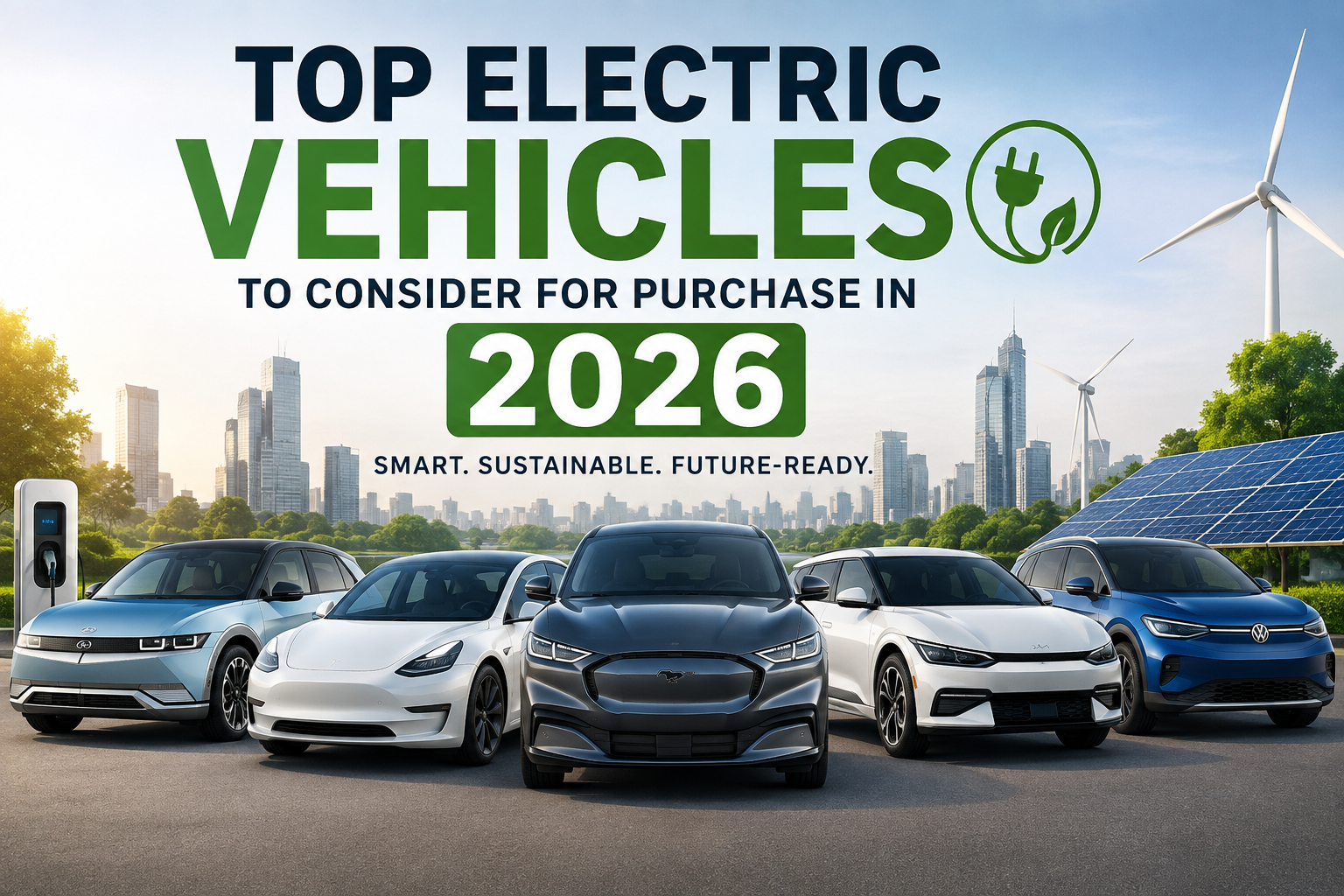
As we approach 2026, the electric vehicle landscape is expected to expand significantly, offering consumers more choices than ever before. Several leading electric cars are anticipated to dominate the market, highlighting a blend of innovation, efficiency, and technology that appeals to a broad audience.
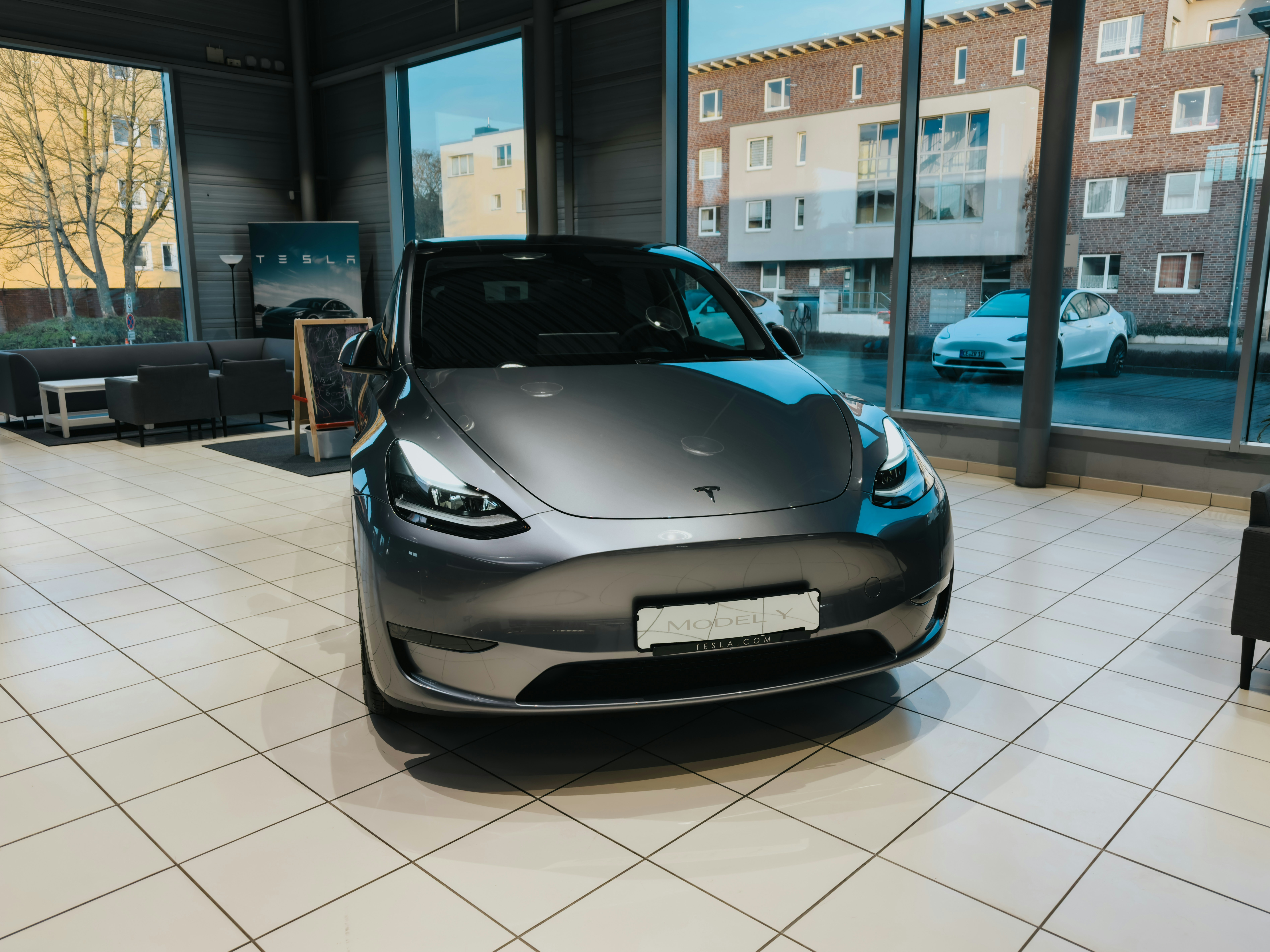
One of the standout models in 2026 is the Tesla Model Y, continuing its popularity among electric car enthusiasts. With an expected range of over 300 miles on a single charge, this compact SUV offers impressive performance figures, including rapid acceleration from 0 to 60 mph in just over 3 seconds. The sophisticated Autopilot feature, combined with a spacious interior and advanced infotainment options, makes the Model Y a compelling choice for families and tech-savvy drivers alike.
Ford's F-150 Lightning is another model to watch, poised to revolutionize the electric pickup truck segment. This electric version of the iconic F-150 boasts a robust towing capacity and a range of up to 320 miles, catering to both work and leisure needs. Its innovative features, such as vehicle-to-load functionality and advanced connectivity, ensure that it remains a practical and versatile option, appealing to traditional truck owners making the switch to electric.
The Rivian R1T is also gaining traction, introducing a fresh perspective on adventure-ready electric vehicles. With its unique quad-motor setup, the R1T promises excellent off-road capability alongside an estimated range of over 400 miles. Its rugged design and features tailored to outdoor enthusiasts make it a strong contender in the burgeoning electric truck market.
Other notable mentions include the Chevrolet Silverado EV and the Hyundai Ioniq 6, both of which are expected to integrate cutting-edge technology alongside impressive performance metrics. These models demonstrate a significant shift towards sustainability and electric mobility, ensuring that consumers have a diverse selection of vehicles that cater to various lifestyles and preferences.
Advancements in Electric Vehicle Technology
As we look towards 2026, the landscape of electric vehicles (EVs) is set to transform dramatically due to groundbreaking technological advancements. One of the most significant areas of progress is found in battery technology. Manufacturers are consistently working on developing batteries that offer greater energy density, which translates to longer driving ranges and shorter charging times. Solid-state batteries, for example, are nearing commercial viability and promise to replace traditional lithium-ion batteries, significantly enhancing safety and performance.
Moreover, charging infrastructure is also expected to evolve significantly, with the introduction of faster charging stations and wireless charging capabilities. This will alleviate range anxiety among potential buyers and will promote wider acceptance of electric vehicles in the automotive market.
Another critical aspect of advancements in electric vehicles pertains to autonomous driving features. By 2026, we can expect to see substantial improvements in the capabilities of self-driving technology. Enhanced sensors, improved artificial intelligence (AI) algorithms, and more extensive vehicle-to-everything (V2X) communication will make autonomous driving safer and more efficient. Manufacturers are investing heavily in testing and refining these features, with an aim to offer semi-autonomous and fully autonomous options in their fleets.
In addition to performance enhancements, there is a growing focus on safety features tailored specifically for electric vehicles. Advanced driver assistance systems (ADAS) are continuously being improved, integrating new technologies such as 360-degree cameras and advanced radar systems. These features will not only help in preventing accidents but will also provide drivers with an unprecedented level of situational awareness on the road.
In conclusion, the technological advancements in electric vehicles by 2026 will redefine personal and commercial transportation. From enhanced battery technologies to groundbreaking autonomous driving capabilities and safety features, the future of electric mobility looks promising, paving the way for widespread adoption and a more sustainable automotive landscape.
The Impact of Charging Infrastructure on Electric Vehicle Adoption
The expansion of charging infrastructure is a critical factor influencing consumer confidence in electric vehicles (EVs). As the number of EVs on the roads continues to rise, the accessibility and efficiency of charging networks have become increasingly important for potential buyers. A robust charging infrastructure not only alleviates concerns related to range anxiety but also promotes a more seamless experience for EV owners.
The availability of fast chargers plays a significant role in this landscape. Fast charging stations, which can recharge an EV's battery to 80% in about 30 minutes, are essential for making long-distance travel feasible without long breaks. The proliferation of fast charging networks across urban and rural areas is a testament to the industry's commitment to supporting EV adoption. This type of infrastructure encourages consumers to feel more secure in their decision to purchase an electric vehicle, knowing that they will have convenient charging options available.
Home charging solutions further enhance the appeal of owning an electric vehicle. The ability to charge an EV overnight through a standard outlet or a specialized home charging station adds unparalleled convenience for users. As various companies and local governments invest in residential charging options, homeowners can enjoy the benefits of regular, low-cost fuel. Additionally, incentives and rebates offered for installing home charging units continue to entice potential buyers, making the transition to electric vehicles a more appealing choice.
Furthermore, public awareness campaigns highlighting the expanding charging network, along with education about the financial and environmental advantages of electric vehicles, have positively influenced consumer attitudes. As charging infrastructure continues to improve with more locations, faster charging times, and enhanced reliability, the confidence in electric vehicle adoption is likely to strengthen.
Overall, the ongoing enhancements in charging infrastructure are pivotal for enhancing consumer trust in electric vehicles. With more accessible charging options, both public and private, potential buyers may find it increasingly easier to make the switch to electric vehicles, contributing to a sustainable future in transportation.
Pricing Trends for Electric Cars in 2026
The electric vehicle (EV) market is experiencing dynamic pricing trends as we approach 2026. Various factors contribute to the pricing of electric cars, including advancements in technology, production costs, and consumer demand. Notably, while some models are expected to decrease in price due to improvements in battery technology and economies of scale, others may see modest increases as features and capabilities enhance.
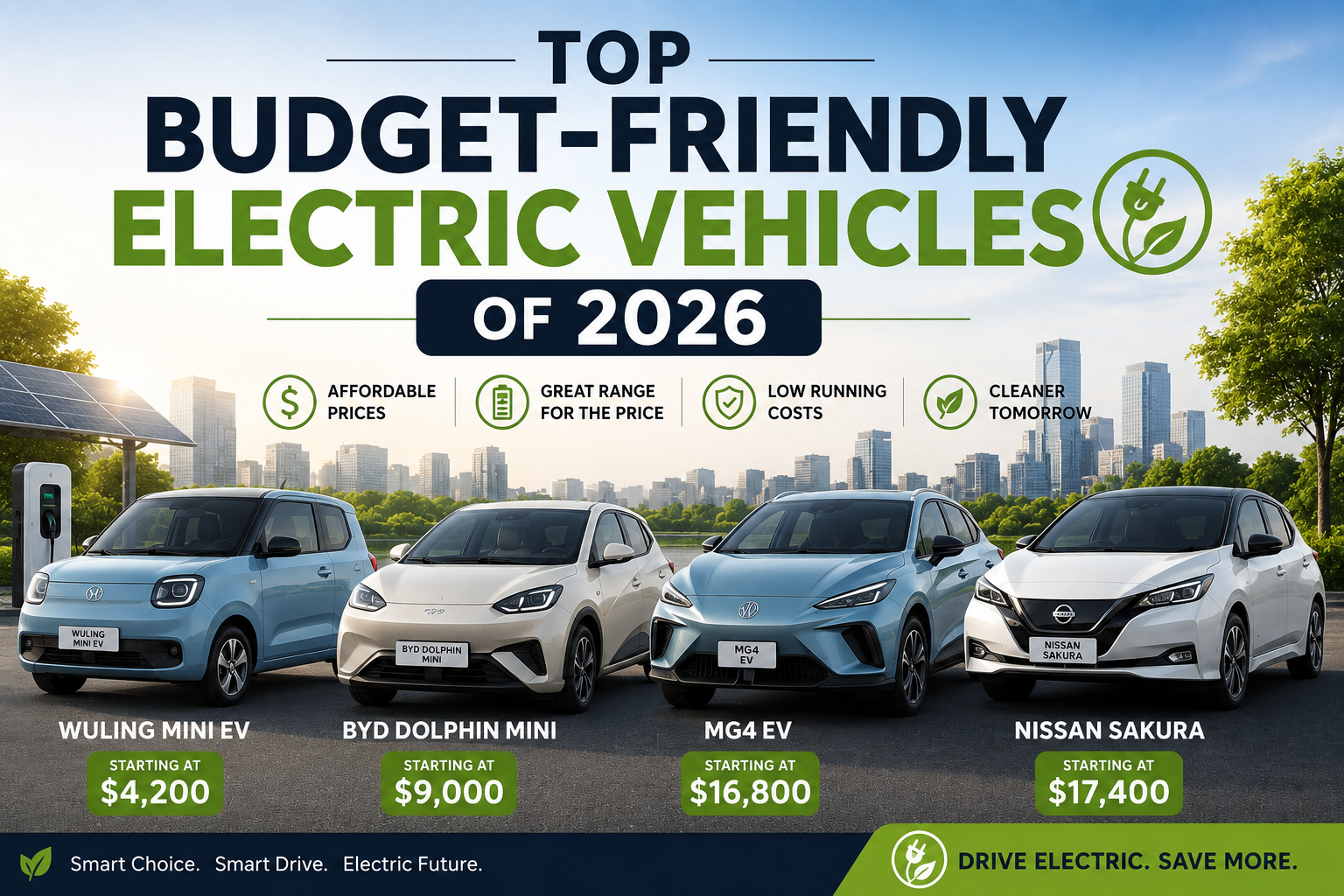
In 2026, it is anticipated that the average price of electric vehicles will vary significantly based on model and manufacturer. Entry-level electric cars might begin at lower price points, appealing to a wider audience. For instance, several manufacturers are projected to offer affordable EV options under $30,000, thus making electric vehicles more accessible to consumers. However, high-performance models may still command premium prices, often exceeding $70,000.
An essential component influencing these prices is government incentives. Various countries have enacted tax credits, rebates, and grants to encourage the transition to electric vehicles. In many regions, these incentives can substantially offset the initial cost of purchasing an electric car, making them more appealing to potential buyers. Moreover, as these policies evolve, it is expected that new incentives will emerge, particularly for first-time buyers and those trading in older gasoline-powered vehicles.
Furthermore, pricing will also be influenced by the broader economic environment, including factors like supply chain stability and raw material costs, which affect battery production. The demand for critical minerals like lithium and cobalt is soaring, which may impact pricing structures. As demand continues to rise, manufacturers may need to adjust prices accordingly.
Overall, the pricing trends for electric cars in 2026 will reflect a balance of innovation, consumer incentives, and market forces, paving the way for more comprehensive adoption of electric vehicles across various demographics.
Comparing Electric Cars to Traditional Vehicles
The automotive landscape has significantly changed with the introduction of electric vehicles (EVs), offering a notable alternative to traditional gasoline-powered cars. One of the most striking differences between these two types of vehicles lies in efficiency. Electric cars typically convert over 60% of the electrical energy from the grid to power at the wheels, whereas gasoline vehicles convert only about 20% of the energy stored in gasoline. This remarkable efficiency of electric cars can lead to increased range and reduced energy costs per mile traveled.
Maintenance costs also present a significant advantage for electric vehicles. The simpler mechanics of EVs, which often lack many of the components found in gasoline engines, such as oil filters and complex transmissions, result in fewer moving parts and less frequent service requirements. As a result, owners may experience lower long-term maintenance expenses compared to traditional vehicles, which require regular oil changes, exhaust system repairs, and other routine maintenance tasks. This reduction in maintenance frequency can not only lead to cost savings but also enhanced convenience for drivers.
Environmental impact is another critical factor differentiating electric cars from gasoline-powered models. Electric vehicles are generally more environmentally friendly, particularly if charged using renewable energy sources. They produce zero tailpipe emissions, which can significantly reduce air pollution in urban areas. In contrast, traditional cars release carbon dioxide and other pollutants that contribute to climate change and public health issues. However, it is essential to consider the total lifecycle emissions of both vehicle types, including the manufacturing and disposal of batteries for electric vehicles.
Ultimately, the choice between an electric vehicle and a traditional gasoline car can hinge on several factors including personal values, driving habits, and financial considerations. For environmentally conscious consumers, the reduced emissions from electric cars may outweigh the potential limitations of charging infrastructure or range. Conversely, those who prioritize refueling convenience and established infrastructure may find traditional vehicles more appealing. The decision ultimately reflects a balance of efficiency, maintenance costs, and environmental impact.”
Consumer Reviews and Feedback on Electric Cars
As electric vehicles (EVs) continue to rise in popularity, real-world experiences shared by current owners provide valuable insights into their advantages and challenges. Many EV consumers praise the instantaneous torque and quiet operation, which frequently transform the driving experience. For instance, Jane, an owner of a Tesla Model 3, expresses her delight in the vehicle’s acceleration, stating it feels incredibly responsive and engaging compared to her previous gas-powered car.
Another aspect highlighted by consumers is the convenience of charging at home. Mark, who drives a Nissan Leaf, emphasizes the time-saving nature of being able to plug in his vehicle overnight. He notes that this practice not only eliminates the need for frequent trips to the gas station but also allows him to start each day with a full battery. Home charging significantly enhances the overall ownership experience for many, alleviating concerns about range anxiety.
However, challenges do exist, and some owners have reported their experiences with charging infrastructure. Emily, a Chevrolet Bolt owner, mentions the difficulties in accessing charging stations during road trips, particularly in less populated areas. She advocates for the expansion of public charging ports to make long-distance travel more feasible for EV users. This feedback underscores the necessity for continuous improvements in the EV ecosystem.
In addition, while many consumers appreciate the sustainability aspect of electric vehicles, they also recognize that the initial purchase price can be a barrier. Jake, an owner of a Ford Mustang Mach-E, discusses how the higher upfront cost of electric cars can be daunting but mentions government incentives and long-term savings on fuel can offset this investment over time. Such anecdotes highlight both the advantages and drawbacks of transitioning to electric vehicles.
Overall, consumer testimonials reflect a growing trend toward electric mobility, filled with enthusiasm for their performance and eco-friendliness, while also addressing the realistic challenges that current and potential EV buyers may face.
Conclusion: The Future of Electric Cars
As we look ahead to the future of electric vehicles, it becomes increasingly evident that this mode of transportation is poised for significant advancements. The electric vehicle (EV) market is rapidly evolving, with new technologies and innovations emerging that promise to enhance performance, extend range, and improve overall efficiency. Consumers can expect electric cars to be equipped with more sophisticated battery systems, providing longer driving ranges that alleviate the common range anxiety experienced in earlier models.
Autonomous driving technology is on the rise, and electric cars are likely to be at the forefront of this evolution. Auto manufacturers are investing heavily in research and development to create fully autonomous platforms that integrate seamlessly with electric drivetrains, offering an enhanced driving experience. This synergy between electrification and automation will likely redefine mobility, making it safer and more efficient.
Moreover, the global push for sustainability is becoming a crucial factor in consumer purchasing decisions. As governments around the world implement stricter emissions regulations and provide incentives for EV buyers, the electric car market is expected to expand substantially. Consumers can anticipate a broader selection of electric models, including a variety of options that cater to different needs and budgets.
In addition, innovations in charging infrastructure are expected to make owning an electric vehicle more convenient than ever. Fast-charging networks are set to grow, reducing wait times for drivers and making long-distance travel with EVs more feasible. Wireless charging technology could also emerge, allowing for even greater convenience as electric cars become integrated into everyday life.
In conclusion, the landscape of electric cars is shifting towards a more sustainable, advanced, and user-friendly future. With ongoing improvements and a widening acceptance of electric vehicles, prospects for consumers looking to invest in electric transportation in the coming years appear bright, setting the stage for a transformative era in personal mobility.