Introduction to Affordable Electric Cars
In recent years, electric vehicles (EVs) have gained significant traction among consumers, evolving from a niche market to a mainstream choice for economical and environmentally conscious drivers. As we look toward 2026, this trend shows no signs of abating, with more varied and accessible options emerging to cater to a broader audience. The growing popularity of electric cars is backed by technological advancements, an expanding charging infrastructure, and increasing awareness of the environmental benefits associated with reduced carbon emissions.
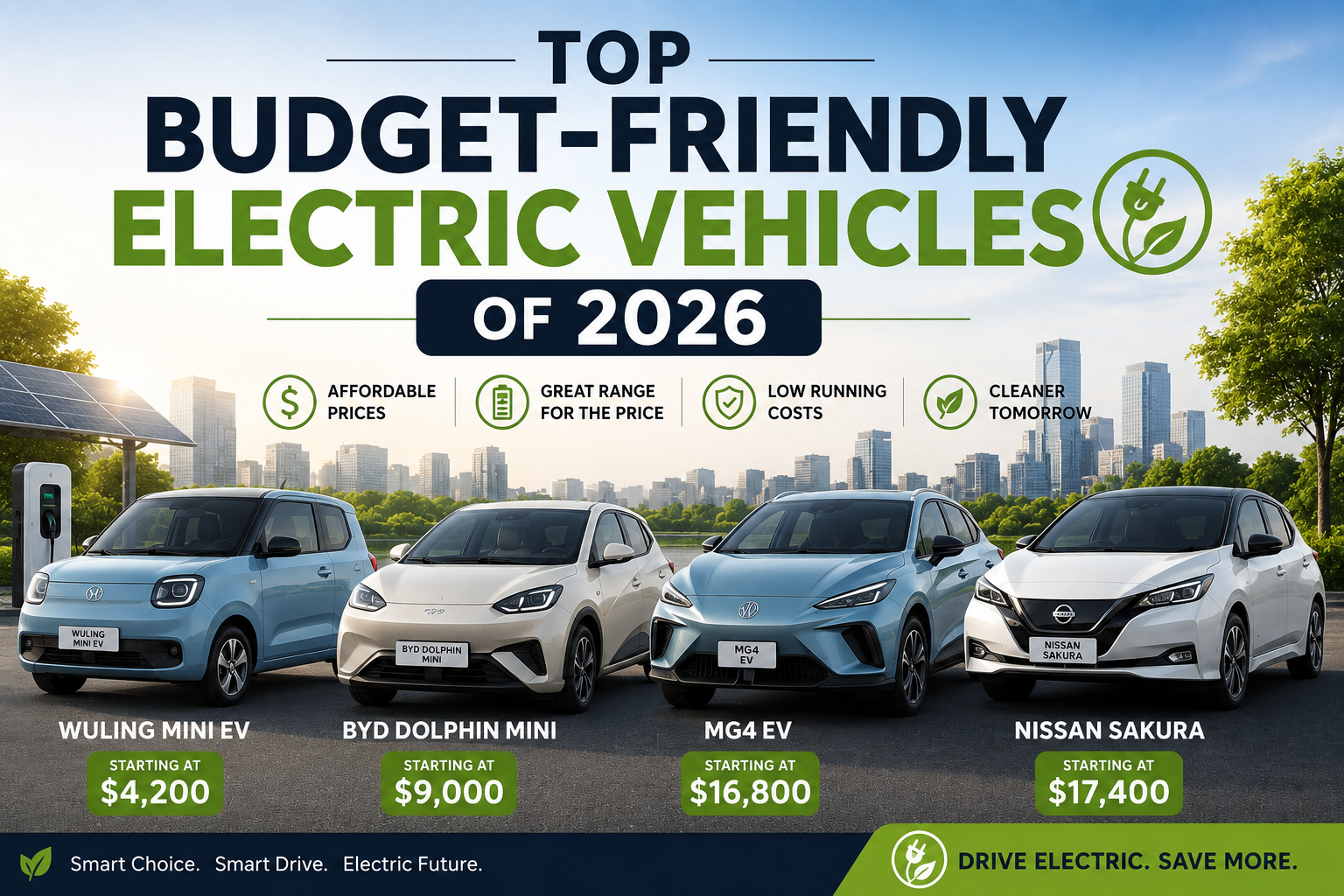
One of the primary factors influencing the decision to switch from traditional gasoline-powered vehicles to electric alternatives is affordability. As the product range of electric cars broadens, price remains a critical consideration for consumers, particularly for those on a tight budget. Car buyers are typically drawn to vehicles that offer an excellent balance between cost, performance, and energy efficiency. Thus, the rise of budget-friendly electric vehicles in 2026 is expected to play a pivotal role in accelerating the transition toward sustainable transportation.
As manufacturers continue to invest in research and development, more cost-effective EV models are entering the market. These innovations result not only in reduced purchase prices but also in lower total ownership costs, thanks to savings on fuel and maintenance. In this context, the affordability of electric cars becomes paramount, helping consumers who are hesitant due to higher initial costs to embrace this green technology.
Overall, the popularity of electric cars in 2026 signifies a notable shift in consumer preferences, with an acute focus on both sustainability and economical options. This introduction to the realm of affordable electric vehicles sets the stage for a comprehensive examination of the best budget-friendly models available, allowing consumers to make informed choices for their driving needs.
Factors Driving the Adoption of Electric Cars
The adoption of electric cars has gained significant momentum in recent years, driven by a confluence of factors that contribute to their increasing popularity and accessibility. One of the foremost drivers is government incentives, which are designed to encourage consumers to switch from traditional gasoline vehicles to electric alternatives. These incentives often come in the form of tax credits, rebates, and grants aimed at reducing the overall purchase price of electric vehicles, thereby making them more budget-friendly for a wider audience.
Another critical factor is the growing concern for environmental preservation. As more individuals become aware of the negative impacts of fossil fuels on climate change and overall air quality, the demand for cleaner, sustainable driving options has surged. Electric vehicles produce zero tailpipe emissions, which significantly reduces the carbon footprint associated with personal transportation. This shift toward eco-conscious driving not only aligns with the values of environmentally aware consumers but also influences manufacturers to prioritize the development of affordable electric vehicles.
Furthermore, advancements in technology play a pivotal role in the increasing adoption rates of electric cars. Improvements in battery technology have led to longer driving ranges, shorter charging times, and enhanced overall performance, which have made electric cars a more appealing choice than in previous years. As production costs decrease due to technological innovations and economies of scale, automakers are positioned to offer electric vehicles at a lower price point, further increasing accessibility for budget-conscious consumers.
As these factors converge, they create a conducive environment for the growth of electric vehicle adoption. With government support, a keen focus on the environment, and ongoing technological advancements, it is anticipated that the affordability of electric cars will continue to improve, leading to broader acceptance and new opportunities in the automotive market.
Criteria for Determining Affordability
When evaluating the affordability of electric vehicles (EVs), several criteria come into play, which include initial purchase price, long-term savings, maintenance costs, and available financial incentives. Understanding these factors can help consumers make informed decisions when selecting an electric vehicle that fits their budget.
The first criterion is the initial sticker price of the electric vehicle. While many consumers might initially be deterred by the higher upfront costs associated with electric cars when compared to their gasoline counterparts, it is essential to consider the total cost of ownership. The sticker price varies significantly among different models and manufacturers, and it's important to compare similar classes of vehicles to assess true affordability.
Long-term savings represent a crucial aspect of evaluating an electric vehicle’s affordability. Electric cars typically boast lower energy costs per mile compared to traditional internal combustion engines. Additionally, many EVs have fewer moving parts, which results in a less frequent need for repairs and maintenance. Over time, these savings can significantly offset the higher sticker price, making EVs more economical in the long run.
Maintenance costs also play a pivotal role in determining the financial viability of an electric vehicle. Generally, electric cars require less maintenance than their gasoline counterparts due to the absence of components such as oil filters, exhaust systems, and spark plugs. Consumers can often enjoy lower annual maintenance costs, adding to the overall savings that contribute to the car’s affordability.
Furthermore, the availability of financial incentives is a vital consideration when determining the affordability of electric vehicles. Many governments offer tax credits, rebates, or other financial incentives aimed at reducing the effective purchase price of electric cars. These incentives can substantially lower the initial cost and improve the overall affordability of deciding to switch to an electric vehicle.
By evaluating these criteria—sticker price, long-term savings, maintenance costs, and available financial incentives—consumers can effectively navigate the market and choose electric vehicles that align with their financial situations and preferences.
Top Affordable Electric Cars in 2026
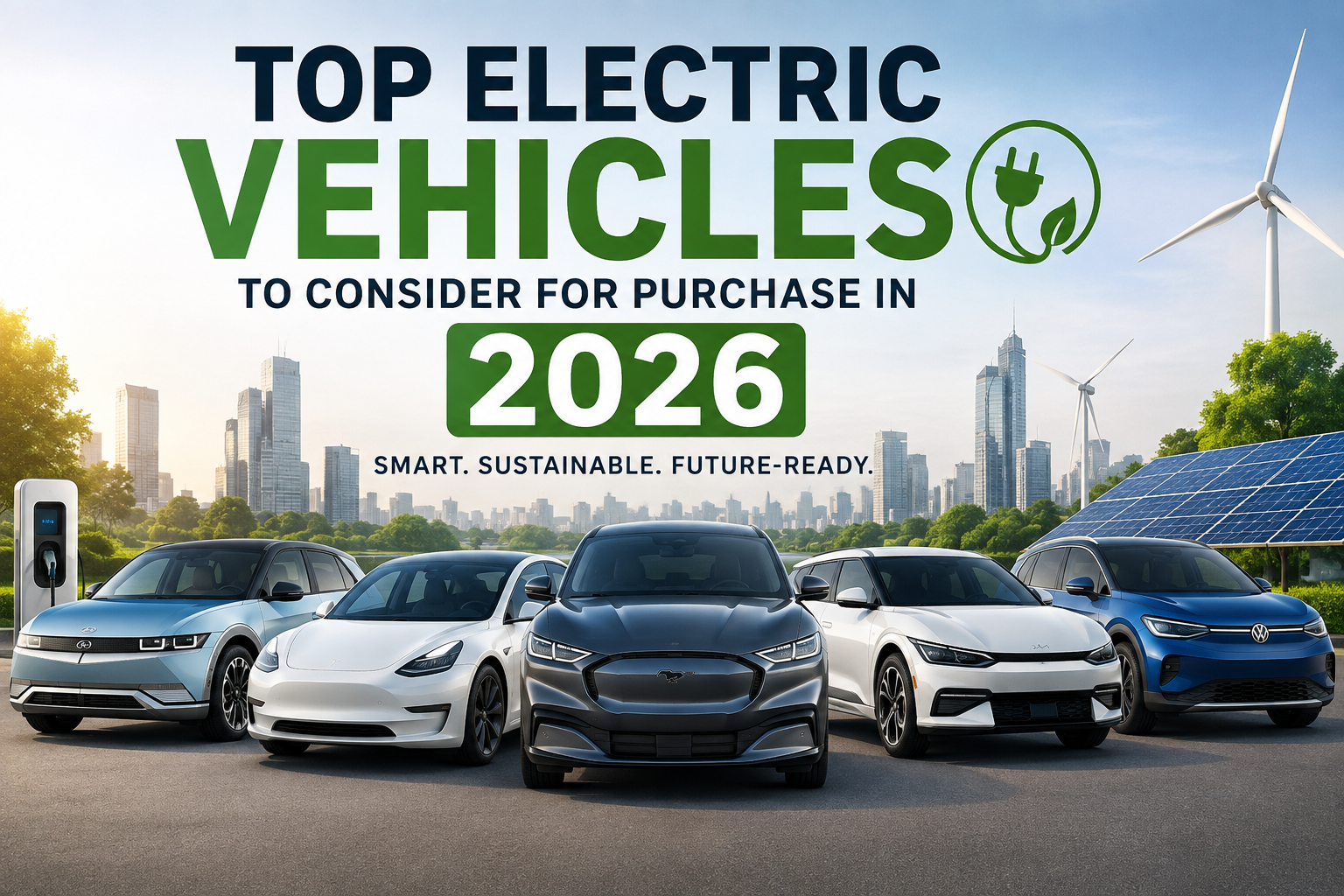
As the demand for electric vehicles (EVs) rises, manufacturers are increasingly focusing on creating budget-friendly options. In 2026, the market is expected to feature several affordable electric cars that stand out for their combination of price, performance, and features. Below are five notable models that buyers can consider.
1. Chevrolet Bolt EV
The new Chevrolet Bolt EV leads the budget-friendly segment with an anticipated price of around $26,000. With a range of approximately 260 miles on a single charge, it offers practicality for daily commutes and short road trips. Key features include a user-friendly infotainment system, spacious interior, and several safety technologies, making it an excellent choice for families.
2. Nissan Leaf
The Nissan Leaf remains a competitive option, expected to retail for about $28,000. It is known for its reliability and low operating cost. The Leaf provides an impressive range of up to 226 miles and a strong suite of driver assistance features, including ProPILOT Assist, which enhances the driving experience. This model combines affordability with functionality.
3. Hyundai Kona Electric
Priced around $32,000, the Hyundai Kona Electric stands out with its agile handling and stylish design. Set to feature a range of approximately 260 miles, it also allows for fast charging options, making it convenient for users on the go. Its practicality is highlighted by a spacious cargo area and comprehensive tech features.
4. Kia Niro EV
The Kia Niro EV is expected to be priced at approximately $30,000. Known for its versatility, the Niro EV offers features suited for both urban and suburban lifestyles. It boasts a range of around 240 miles and a spacious interior, alongside a variety of tech options, including advanced safety features and infotainment systems.
5. Volkswagen ID.4
Projected to be available for about $37,000, the Volkswagen ID.4 presents a strong case as a budget EV with impressive features. With around 250 miles of range, it merges performance with comfort, highlighted by a modern aesthetic and ample cargo space. The ID.4 also incorporates advanced connectivity features that accommodate tech-savvy drivers.
These five models represent some of the best budget-friendly electric cars expected to hit the market in 2026. They combine efficiency with affordability, ensuring potential buyers have access to environmentally-friendly transportation without breaking the bank.
Comparing Range and Performance
As the electric vehicle (EV) market continues to expand, consumers seeking budget-friendly options are increasingly concerned with the range and performance of these vehicles. Affordable electric cars have made significant strides in terms of technology and efficiency, providing options that are competitive with more expensive models. When assessing the range of these vehicles, it is essential to understand the factors that influence driving distance. Typically, budget-friendly electric vehicles are equipped with smaller battery packs, which can limit their range compared to premium models. However, advancements in battery technology have resulted in many affordable EVs delivering a respectable driving range that meets the needs of daily commuters.
For instance, several models expected in 2026 are projected to achieve ranges between 200 to 300 miles on a single charge. This is a notable improvement compared to previous years, bringing budget-friendly options closer to the driving distances offered by higher-end electric vehicles. Moreover, the efficiency of these cars is also on the rise, with many models boasting energy consumption rates that compete with luxury EVs, effectively maximizing the use of available power.
Performance is another critical aspect where budget electric vehicles are witnessing enhancements. While it is true that higher-priced EVs often come with superior acceleration and handling features, many affordable models are now incorporating robust drive systems that allow for responsive and enjoyable driving experiences. Manufacturers have begun to focus on fine-tuning the balance between cost and performance, ensuring that even less expensive options provide adequate power for typical driving situations.
Ultimately, consumers considering a budget-friendly electric vehicle in 2026 can expect remarkable improvements in both range and performance. These advancements make affordable electric cars increasingly appealing to a wider audience, allowing for a viable transition from traditional internal combustion engine vehicles. As battery technology continues to develop, we can anticipate further enhancements in efficiency and driving capabilities, making electric mobility more accessible to everyone.
Government Incentives and Rebates
As the shift towards electric vehicles (EVs) continues to gain momentum, various government incentives and rebates have been introduced to promote their adoption. These financial aids play a significant role in enhancing the affordability of electric vehicles for consumers in 2026. Both federal and state governments offer a range of incentives aimed at reducing the overall cost of purchasing an electric car.
At the federal level, buyers of electric vehicles may benefit from tax credits, which can considerably lower the effective price. For example, a non-refundable tax credit can amount to several thousand dollars, directly offsetting the purchase price of qualifying models. Additionally, some states provide their incentives, which can include cash rebates, grants, and exemptions from sales taxes, effectively reducing vehicle costs further.
Moreover, certain local governments have initiated programs that offer additional discounts or rebates for electric vehicle buyers, aiming to make this environmentally-friendly option more financially accessible. These local incentives often work in tandem with state and federal benefits, creating a comprehensive support framework for prospective EV owners.
Charging infrastructure improvements are also part of many government initiatives, where financial assistance is available for the installation of home charging stations. This addition not only covers part of the installation costs but also promotes the convenience of owning an electric vehicle at home, potentially mitigating range anxiety and enhancing the overall ownership experience.
Ultimately, the amalgamation of these government incentives and rebates significantly contributes to reducing the financial barrier associated with purchasing electric vehicles. As consumers become more informed about the range of available financial aids, the affordability of EVs will continue to improve, making them a viable option for a broader audience in 2026.
Charging Infrastructure and Costs
The current state of charging infrastructure plays a pivotal role in the overall cost of ownership of electric vehicles (EVs). As the number of electric cars on the road continues to grow, the expansion and accessibility of charging stations become increasingly crucial. A robust charging network directly impacts the convenience of owning an EV, making it a vital consideration for potential buyers.
In many urban areas, the availability of charging stations is relatively high, yet there remain significant gaps in rural and suburban regions. This uneven distribution can create challenges for EV owners, particularly those in less densely populated areas where access to charging points may be limited. The proliferation of fast-charging stations can alleviate some of these concerns, allowing for quicker replenishment of battery life, especially on longer journeys. However, the installation of these stations often comes at a high cost for providers, which can subsequently affect the pricing structure for users.
Affordability remains a significant concern when discussing charging infrastructure. Many charging networks operate on a pay-per-use model, which can lead to variable costs that may deter potential users. Moreover, there are differences in pricing based on the speed of charging and whether the station is publicly funded or privately operated. As such, consumers must consider not only the initial purchase price of the electric vehicle but also these recurring costs associated with charging. The ability to charge at home can further influence overall expenses, as residential charging is typically less costly than using public charging stations.
Additionally, local government incentives and initiatives can impact the development of charging infrastructure. Investments aimed at enhancing accessibility and affordability of public charging stations can influence the overall ownership experience. In conclusion, the interplay of charging infrastructure, its availability, and associated costs form an essential component of evaluating the practical aspects of electric vehicle ownership in 2026 and beyond.
Consumer Trends and Preferences in 2026
As the electric vehicle (EV) market continues to evolve, consumer preferences are becoming increasingly refined. In 2026, buyers are expected to show a pronounced interest in budget-friendly electric cars, prioritizing not just affordability but also a range of features that enhance the driving experience. One of the key consumer trends is the demand for extended range. Many consumers are looking for electric vehicles that can comfortably cover greater distances without the need for frequent recharging, which is pivotal for convenience and practicality.
In addition to range, the integration of advanced technology is a critical aspect influencing buyer choices. Features such as regenerative braking, enhanced safety systems, and intuitive infotainment systems are in high demand. Many consumers are specifically seeking budget-friendly models that do not compromise on technology. As automakers respond to this trend, they are implementing state-of-the-art technological advancements across their budget lines. Moreover, connectivity features that integrate smartphones with vehicle systems are becoming standard expectations among prospective EV buyers.
Another significant factor shaping consumer preferences in the EV market is the brand image and reputation. In 2026, buyers are gravitating towards established brands that are recognized for their reliability and trustworthiness in the electric vehicle sector. This trend has created an opportunity for traditional automotive manufacturers to leverage their experience and brand loyalty while introducing budget-friendly electric models to entice consumers.
Additionally, environmental considerations are influencing the purchasing decisions of many buyers. The growing awareness of climate issues leads consumers to prioritize sustainable practices, pushing them towards electric vehicles that promise lower emissions and a smaller carbon footprint. Thus, the combination of affordability, technological innovation, reliable brand reputation, and environmental consciousness will significantly impact consumer decisions in the budget-friendly electric vehicle market in 2026.
Conclusion: The Future of Affordable Electric Vehicles
The significance of affordability in the electric vehicle (EV) market cannot be overstated as it serves as a pivotal factor in boosting widespread adoption. As more consumers express an interest in transitioning to electric vehicles, manufacturers are increasingly prioritizing cost-effective solutions to meet this growing demand. In recent years, car producers have been working diligently to lower production costs, enabling them to offer more budget-friendly options without compromising quality and performance.
Looking ahead to 2026, we anticipate several trends influencing the affordability of electric vehicles. First, advancements in battery technology are likely to continue driving down costs, which is essential in enhancing the overall price competitiveness of electric vehicles. Additionally, economies of scale due to increased production and more players entering the market are expected to reduce prices further, making EVs more accessible to a broader segment of consumers.
Furthermore, government initiatives aimed at promoting electric mobility, such as tax incentives and subsidies for both manufacturers and buyers, will play a critical role in shaping the affordability landscape. These incentives not only encourage manufacturers to innovate but also provide financial relief for consumers considering an electric vehicle purchase.
Manufacturers will also need to adapt their strategies by focusing on producing entry-level electric options that cater to budget-conscious buyers. The trend towards leasing rather than outright ownership may gain traction, offering consumers a cost-effective alternative to purchasing an electric vehicle. Additionally, as charging infrastructure continues to develop and improve, concerns surrounding range anxiety will diminish, thereby encouraging more individuals to consider an electric vehicle as a viable option.
In conclusion, as we move toward 2026, the electric vehicle market is poised for substantial growth in affordability. With ongoing technological innovations, supportive governmental policies, and evolving consumer attitudes, it is likely that budget-friendly electric vehicles will become a common sight on roads, significantly contributing to the efforts in combating climate change and promoting sustainable transportation solutions.